
Romania 2016
The build that made Building Humanity what it is today: a duplex roof replaced, a home’s foundation laid, and trusses raised for a homework and art building. Build dates June 29 to July 13, 2016.
Communities Lead. We Partner. Together we build.
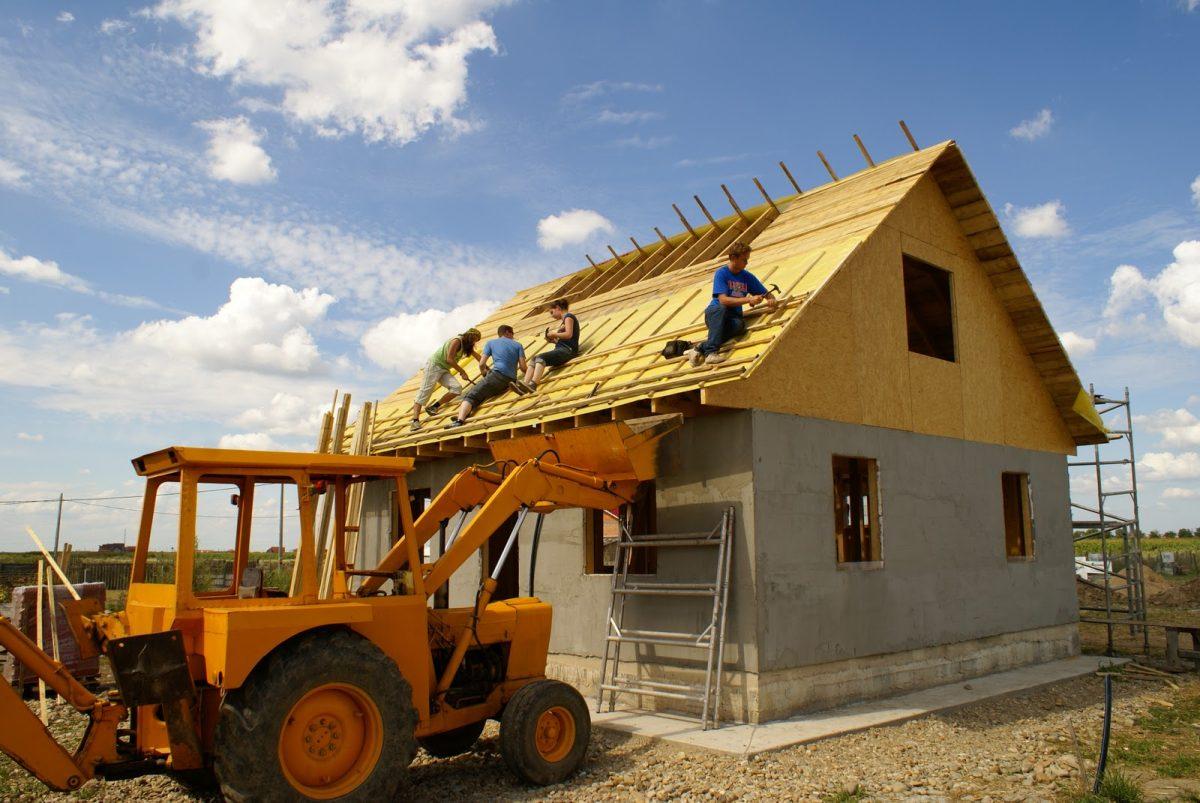
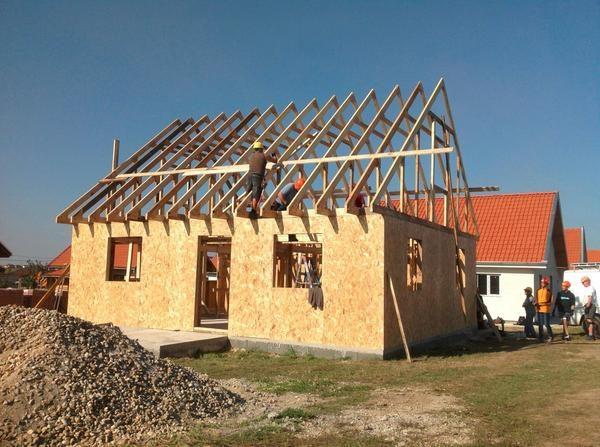
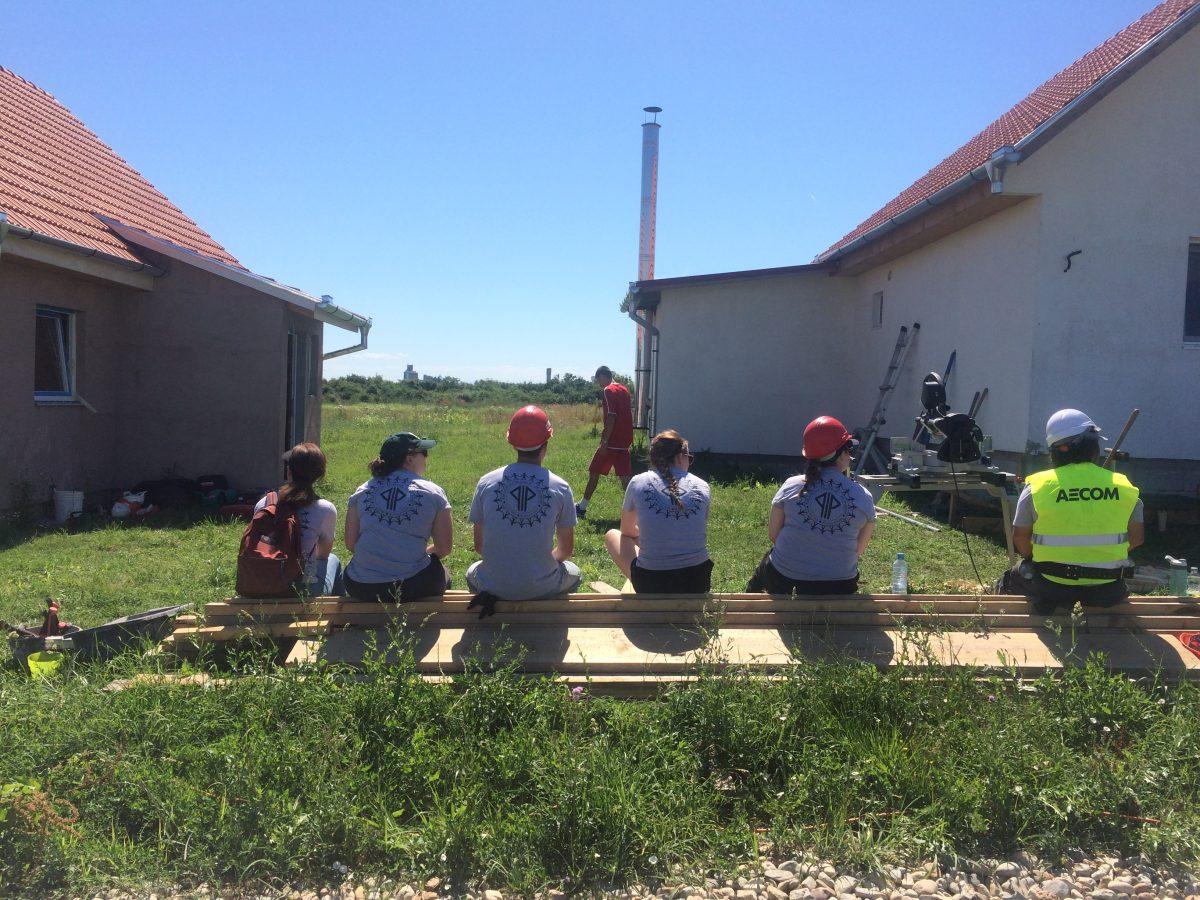
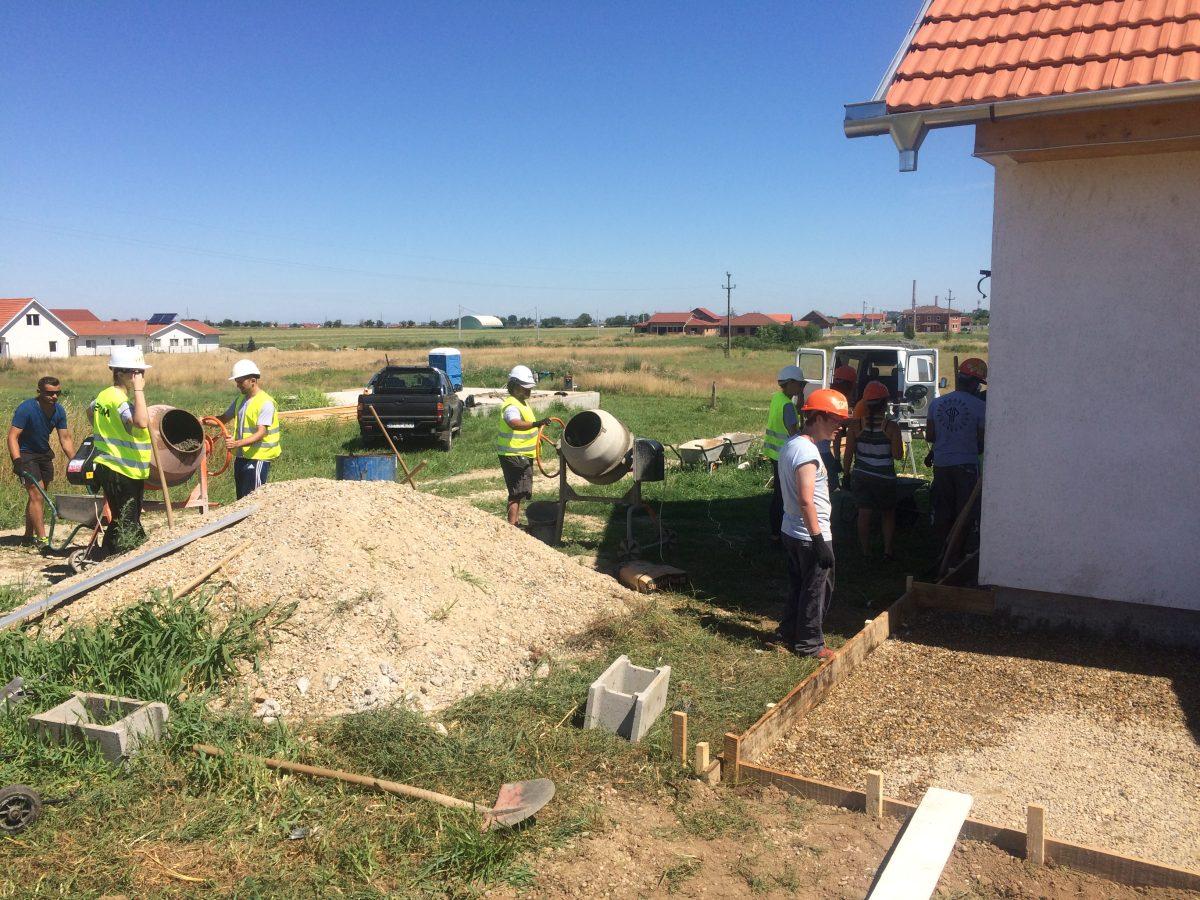
Completed roof duplex replacement, completed the foundation of a home, began building trusses for a homework and art building.
Building Humanity's first charity build brought 21 volunteers to Caminul Felix, a family-based community providing homes for children who have experienced abandonment or neglect. The team raised $7,500 and completed several construction projects, including replacing the roof of a family duplex, pouring foundations for two young adults' homes, and building trusses for a new classroom and craft center. The project supported a community of approximately 200 children and 20 families, while giving volunteers the chance to work alongside young adults who had grown up in the village.
Caminul Felix believes that the family is the key to helping abandoned and neglected children, and is the foundation of their success. Families are comprised of a married couple who dedicates their life to raising a “family”. They may or may not have children of their own, but they will begin to take on children over a 2 year period, up to 16-18 children in all, and they will raise them as a family unit. Each family is placed in a home that was built by donors. There are currently two Caminul Felix villages; eight families in each village. All together they care for over 200 children, but have raised an additional 400 that are now grown with families of their own. Once a family reaches its full capacity (16-18 children), that family will remain unchanged until all the children eventually move out of the home. When a young adult moves out, another child is not brought into the family unit to fill the void, so the unit stays constant and children are not constantly coming in and out. This is important in keeping the family unit strong, and also eventually allows parents to phase out of service after 20+ years of dedication, unless they decide to go on to care for a second generation of children.
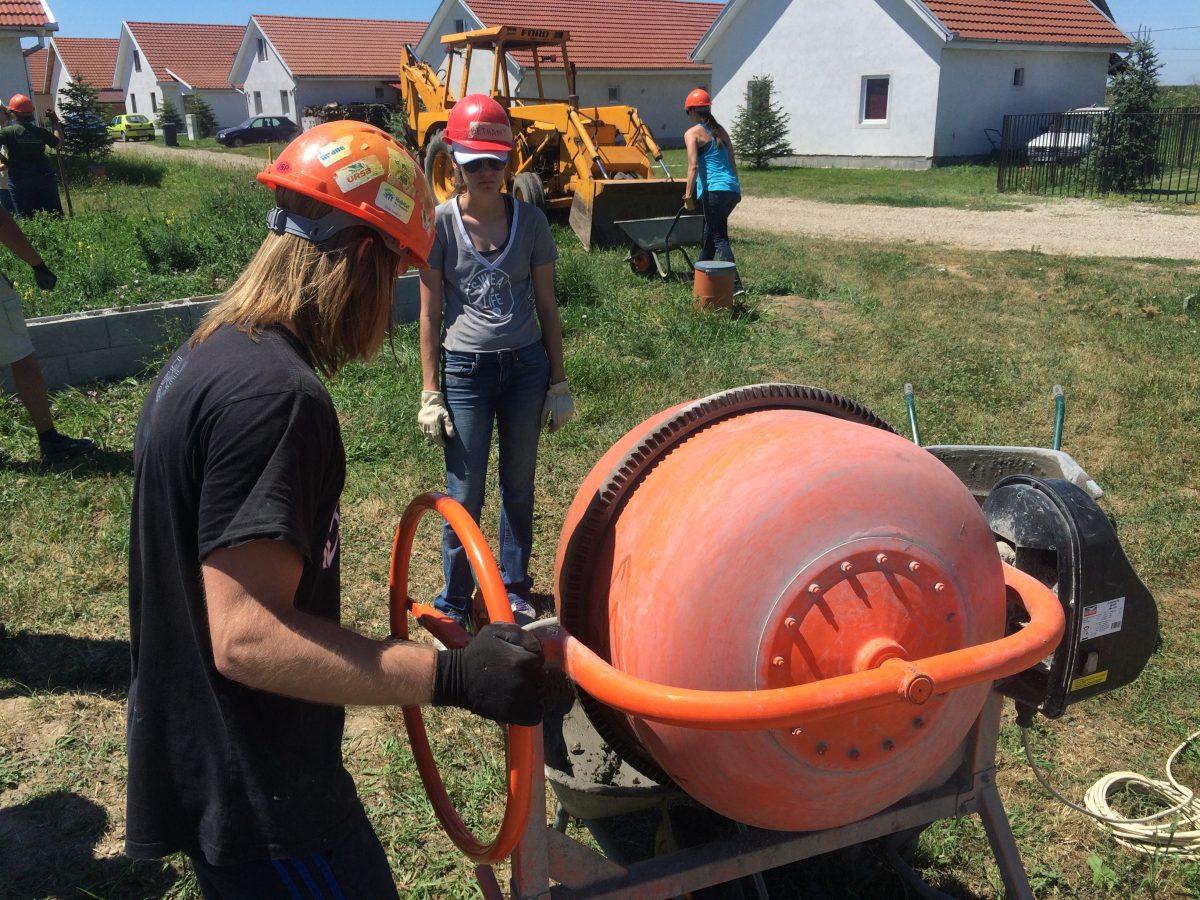
Construction projects at the Caminul Felix Village can range in scale and type depending on the current needs of the village. The majority of construction at the village is building homes for young adults who grow up in the village, who can then go on to purchase these homes at material cost. This is an amazing program that provides these young adults and their new families an affordable means of settling down. Since the children do not have a normal family structure with financial help for buying or inheriting a home, this initiative gives them the security and opportunity of home ownership within their community. In order to become eligible to buy a home, the young adults must volunteer 500 hours working on building projects around the village. This helps to give a sense of ownership and value. On an average day we had anywhere from 3-5 of these young adults working alongside us. Having them on the team gave us opportunities to build close relationships with them, learn more about the village through the eyes of those who have grown up in it, and learn some Romanian language and culture.
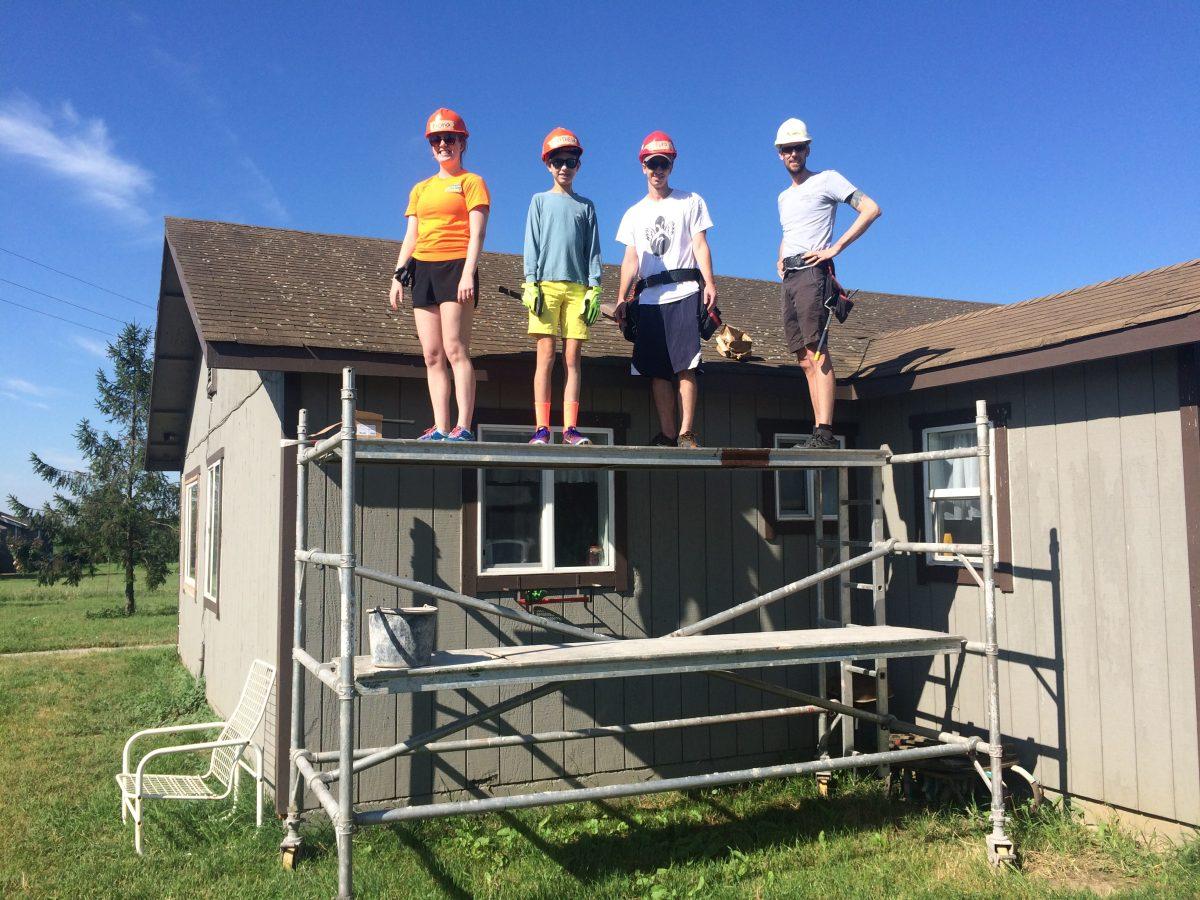
After nine months of planning, Building Humanity’s pilot charity build event was finally under way. Through the hard work of volunteers and countless fundraising events, we successfully raised $7,500 for the materials needed for the projects at the Caminul Felix Village in Oradea. Twelve full time volunteers had come from the US and UK to participate in eight full days of building, while nine others from the AECOM Bucharest office would join for 3 days of building.
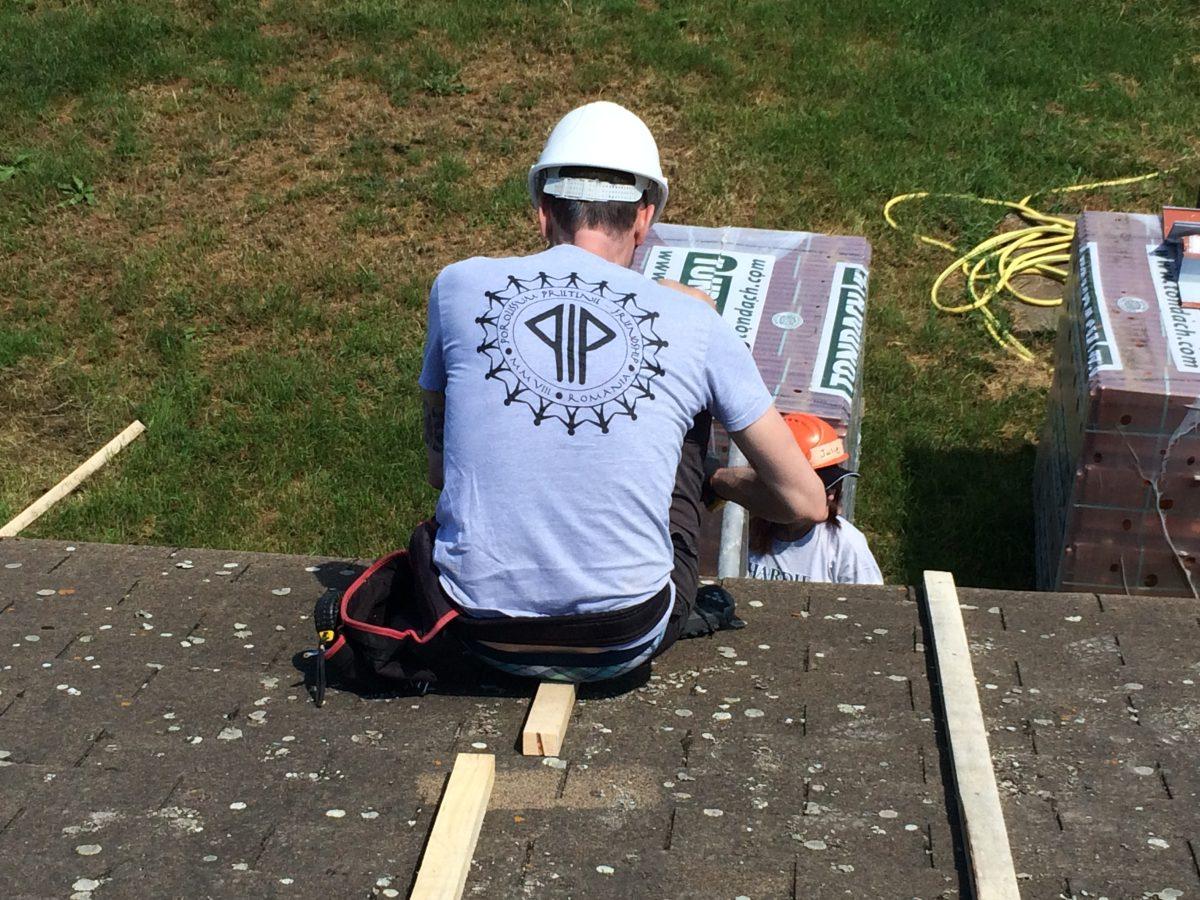
During our time, the team was asked to help complete several small outstanding projects. The first five days were spent putting a new roof on a duplex that houses two families who work for the orphanage. One of our foremen, who works full time for the orphanage, was one of the occupants. The structure had horrible water damage from the rotting roof and needed to be repaired before winter. As the team worked on the home, the wives of both families prepared coffee and home cooked desserts for the work crew at break time. It was humbling to be able to meet them and hear how grateful they were for our help in repairing their roof. One afternoon I had a very personal moment with one of the women. She had invited me in for a cool glass of water. She showed me the extent of the water damage in several rooms which was pretty bad. She suddenly broke into tears expressing how overwhelmed and grateful she was that 21 people had come to help build them a new roof. Moments like that reminded us all how important and rewarding it is to help others
Once the roof was complete, the next day and a half was spent completing foundation concrete on two of the homes being built for the young adults. The work team was happy to have some reprieve in swinging a hammer, but shoveling and mixing concrete was no easy task either. Our last day and a half was back to hammering, building wooden trusses for a new classroom & storage building. In addition to school, the orphanage provides the children with lessons that are both fun and educational. These include music, sewing, woodworking, etc. They currently teach these skills in tiny rooms, so this larger craft house will be a great place for the children to come and learn.
In addition to the time we spent working with the young adults on the construction site, the team spent each evening sharing meals at a different family’s home. This was a unique opportunity to sample traditional Romanian meals, as well as hear from the parents and children from several different homes. Each family dynamic and method can be very different, so it was nice to have experiences with a variety of families. We were all in awe of their commitment, and it was fantastic to see the real diversity of stories. After dinner the children and parents spent time with us in the communal areas playing volleyball, tag or soccer and chatting. We all developed deep friendships with the children and parents living in Caminul Felix.
One of the great things about Caminul Felix is that they are always giving back to the community. Even though they themselves are a non-profit, and are doing great work, they still continue to give back to those who have less. Our team was interested in seeing the difference in the life of a child with the opportunity to grow up in an environment like Caminul Felix, versus those in a state-run orphanage, or even those living in poverty. We got the opportunity to visit one of the state run orphanages one afternoon, bringing toys and clothes. That experience was in stark contrast to Caminul Felix, with a very institutional feel; group bedrooms and bathrooms, no personal space, no parental figures save the few women who run the orphanage, etc. There was no feel of family, and I can only imagine what it would be like to be a young child growing up in such an institutional environment.
On the other extreme, we went to a gypsy camp. We brought bags of food, toys and clothes for each family. Roughly 14 families lived in this particular camp, located about a quarter mile from a landfill. They make money collecting recycling from the dump, living in shacks made from found objects, often squatting on private land. They face huge injustices, often having their homes torn down or burned every few months by landowners who want them off. Although they had very little, they were very welcoming, showing us inside their homes. I brought a Polaroid camera for the children, but everyone was extremely excited to have their photos taken. For most of them, this was their first photo. One of the women I had photographed with her family, passed away several weeks later, and the family reached out thanking us for giving them the only photo they had of their mother.
It was a very emotional and inspirational 2 weeks. We want to thank you for your generous contribution to the 2016 Building Humanity Caminul Felix Orphanage Build. Your thoughtful donation helped pay for the building materials we used. Our build was incredibly successful, and we could not have done it without your contribution.
With Sincere Gratitude, Erin Colshan & the entire Caminul Felix Orphanage & Build Team






 Erin Colshan - Director
Orange USA
Erin Colshan - Director
Orange USA
 Michael Morrell
Orange USA
Michael Morrell
Orange USA
What's next
Romania is complete, but the need continues. Every project begins with a request from a community or local partner, and there are more communities waiting for the opportunity to bring their ideas to life.