2026 1 April – 30 September 2026

Kenya 2026
A permanent, climate-resilient black soldier fly composting facility and on-site sanitation for a female-led social enterprise turning food waste into local jobs, compost and safe sanitation. Future build dates in early summer of 2027.
Communities Lead. We Partner. Together we build.
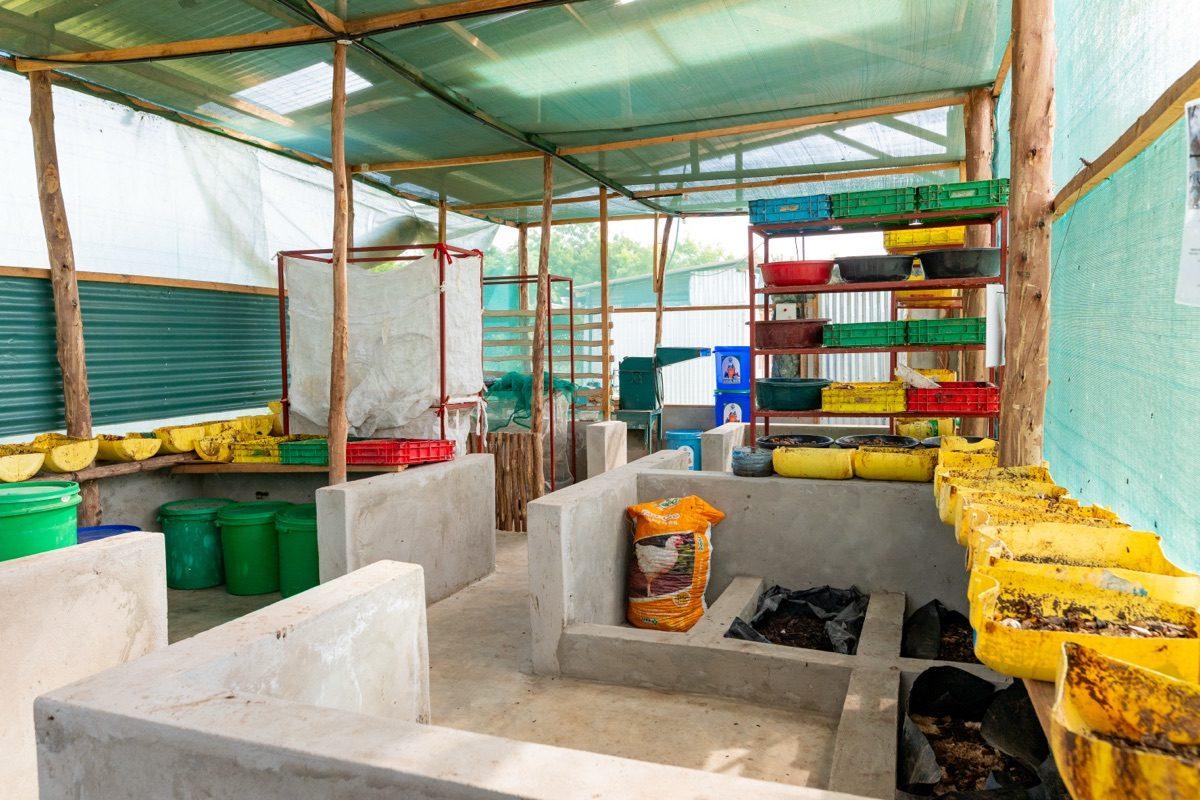
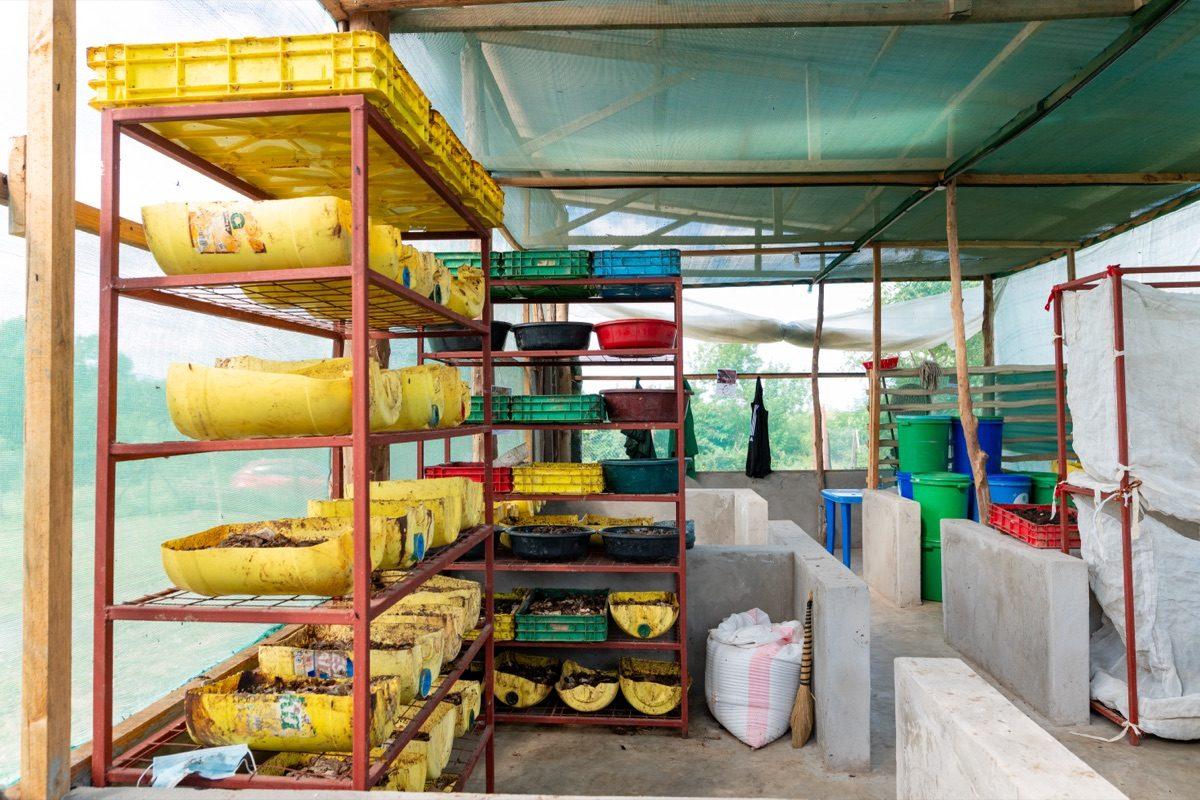
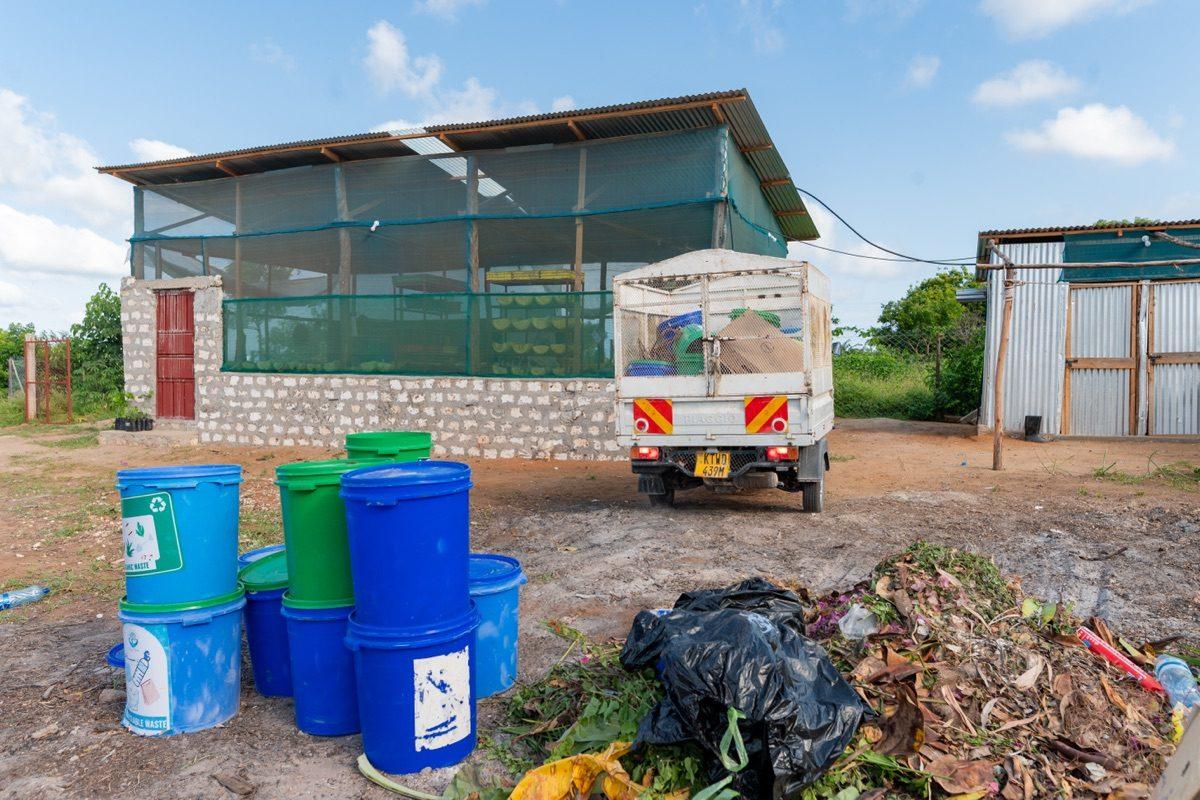
Replaced a timber-and-tarpaulin structure with a permanent, ventilated building on a concrete slab, and built a modern pit latrine and bathroom on site as an interim step toward a composting toilet.
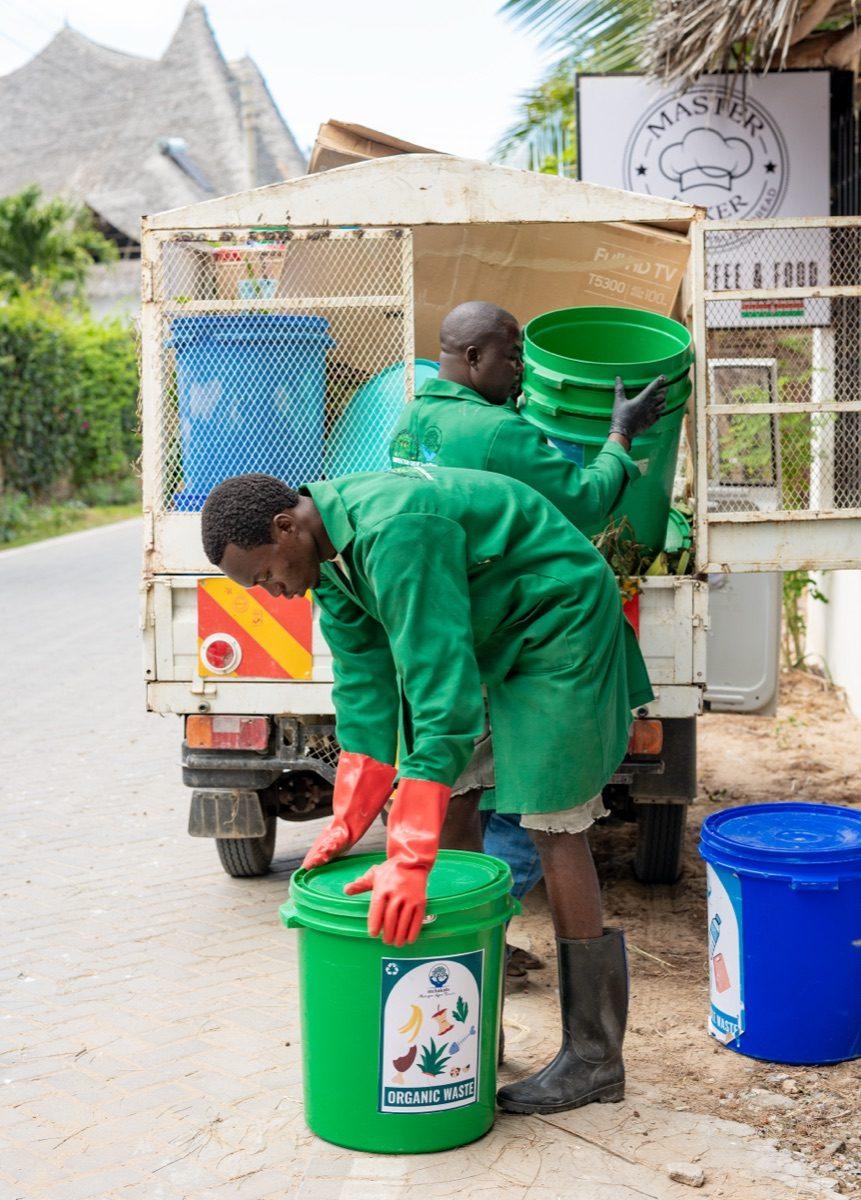
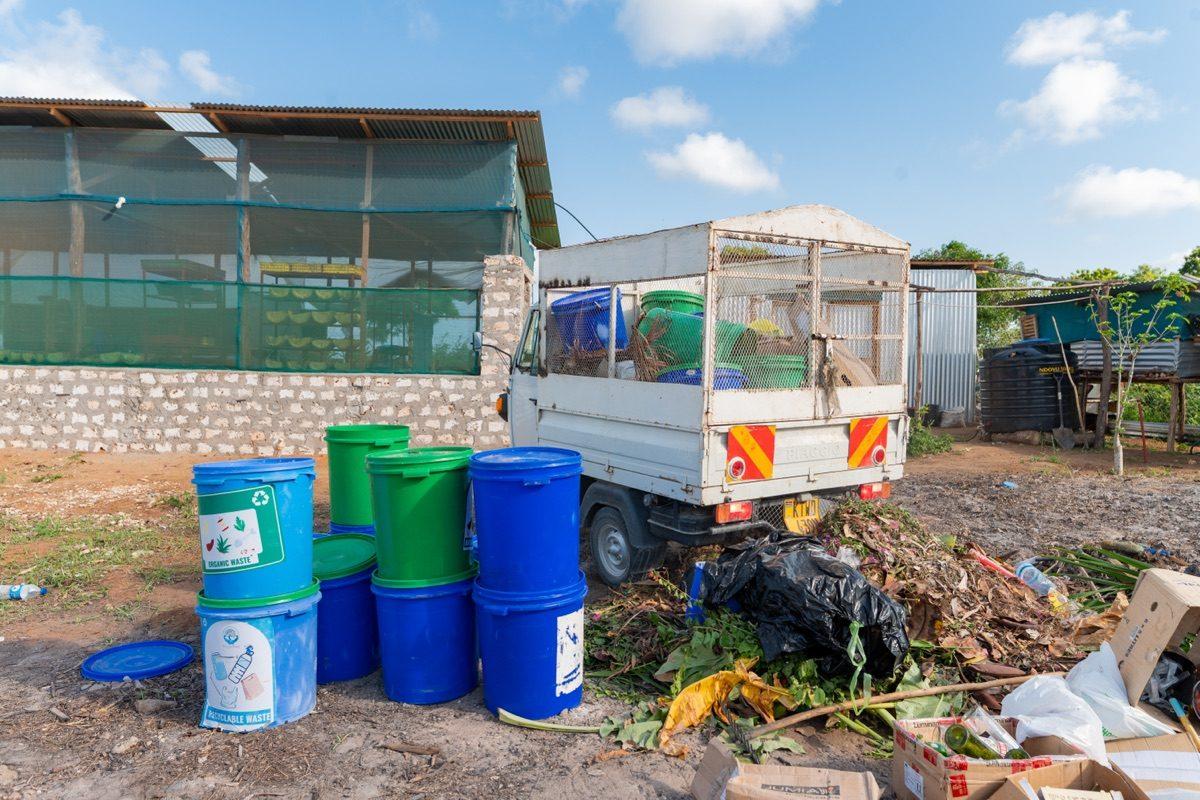
Building Humanity partnered with RegisTree, a Kenyan community-led composting organization, to design and build a permanent, climate-resilient composting facility in Watamu. The project replaces RegisTree's makeshift structure with a weatherproof facility designed to expand its black soldier fly composting operation, while piloting an on-site composting toilet as a model for safe, ecological sanitation. It will also expand waste and sanitation education, support up to 500 local farmers with compost and larvae, and create economic opportunities for community members, particularly women.
Revenue has already been reinvested in a poultry project, creating a further community job, and RegisTree has opened discussions with Pwani University on circular economy research, student volunteering and internships.
Kilifi is among Kenya’s poorest counties. It ranks in the top fifteen nationally for open defecation and the top ten for diseases caused by poor sanitation. In 2023–24 alone the county health department recorded 104,618 cases of childhood diarrhoea in health facilities. Soils lack the nutrients and organic matter needed to yield good crops, and weak waste collection has left visible illegal dumping sites.
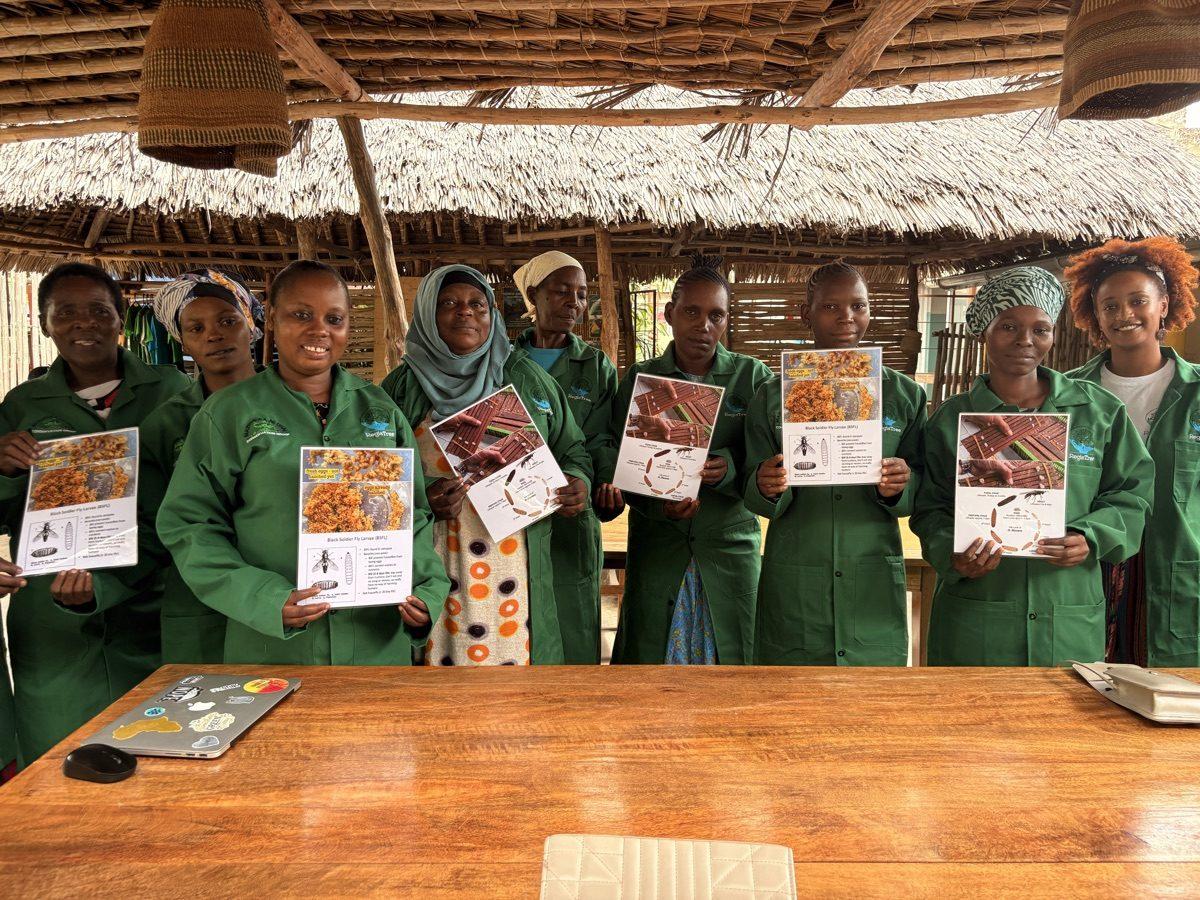
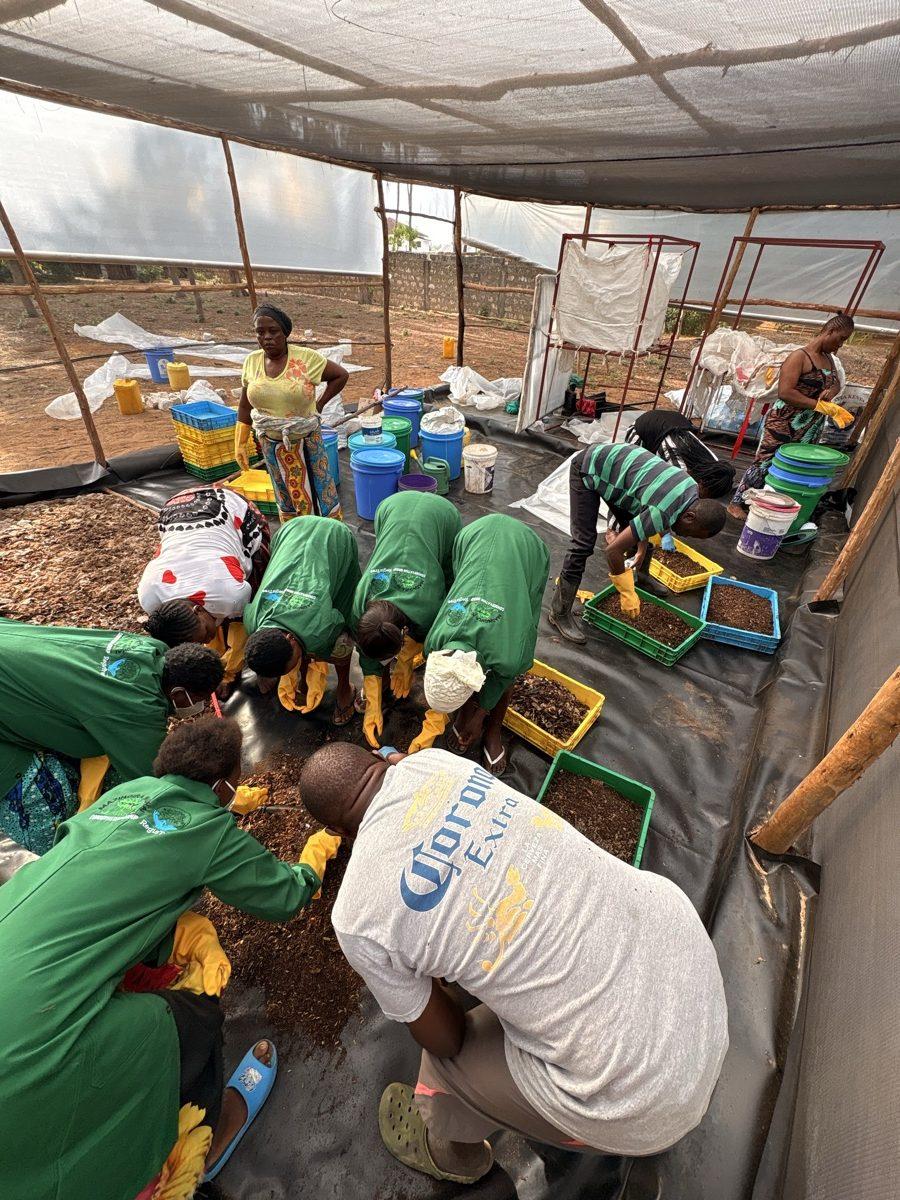
RegisTree began in 2022 as a mangrove restoration initiative and moved to food waste composting in 2023. With under $4,000 of grant funding they launched a black soldier fly composting project, completing their first pilot in early 2025. Black soldier flies handle all food waste, including oil, meat and dairy, and yield larvae for poultry and fish operations. They have buyers for all the compost and larvae they can produce.
Due to geopolitical instability, we made the decision not to bring volunteers to the build this year. Instead, Leigh Lane, Director of Africa Sustainability & Community Impact and Board Member, traveled to the project site to observe progress firsthand alongside RegisTree, assess the status of the build, and identify any remaining needs or opportunities for support. This visit allowed us to maintain oversight of the project while prioritizing the safety of our volunteers.
To learn more about the progress achieved during the first year of the project, we invite you to download and review our Year 1 Narrative Report and Year 1 Financial Report, which provide a detailed overview of project activities, outcomes, challenges, and financial performance.
2026 1 April – 30 September 2026
2026 1 September 2025 – 31 March 2026
Building Humanity is developing an immersive, hands-on learning experience in Watamu, Kenya, where students will work alongside RegisTree to explore the circular economy in practice. Through direct engagement with RegisTree’s waste management operations, students will learn how food waste is collected, processed through Black Soldier Fly composting, and transformed into valuable resources such as compost and animal feed. They will gain firsthand insight into how a local social enterprise is turning an environmental challenge into an opportunity for sustainable livelihoods and community development.
Rather than focusing on physical construction, this program will center on building knowledge through practical experience, conversations with local practitioners, and observation of each stage of RegisTree’s circular economy model. Building Humanity is developing an itinerary that connects these hands-on experiences with broader themes of sustainability, waste management, and community-led innovation. Students will leave with a deeper understanding of how circular economy principles work in practice and how locally driven solutions can address environmental challenges along Kenya’s coast.
If you're a professional interested in volunteering on our 2027 trip, we'd love to hear from you. Below are the skills and expertise we're currently seeking. Please note that the itinerary for professional volunteers may differ from our standard trip schedule. In addition to project work, there may be opportunities to lead workshops or mentor local community members interested in developing these skills.
Alongside building knowledge, volunteers will run a STEAM day with Friends of Arabuko-Sokoke Forest for schools inside the last remaining dry coastal forest in East Africa. Six to ten activity stations will let children explore science and engineering through experiments, crafts and projects, working with Junior Rangers who are learning about elephant behaviour, biodiversity and land restoration. Volunteers will also join community engagements with two local NGOs, COBEC and Dabaso Youth for Green Future to learn about mangrove conservation and creating sustainable alternative livelihoods for Watamu community members.
Year two dates and costs have not been set. Contact Erin Colshan at info@buildinghumanity.org to register interest.
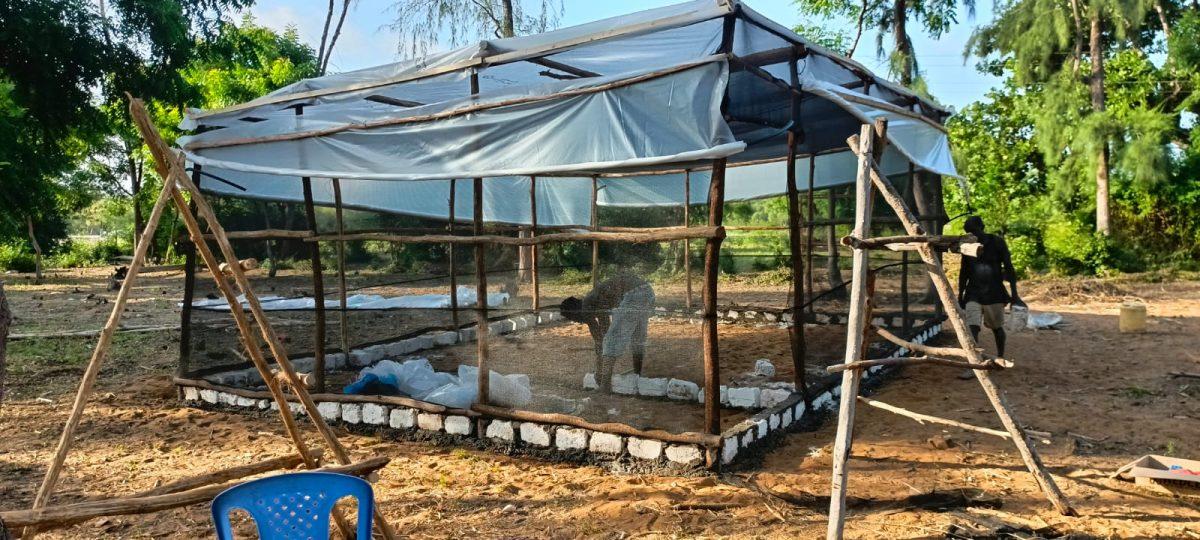 The timber and tarpaulin structure it replaced, Watamu
 RegisTree Composting Facility, Kenya
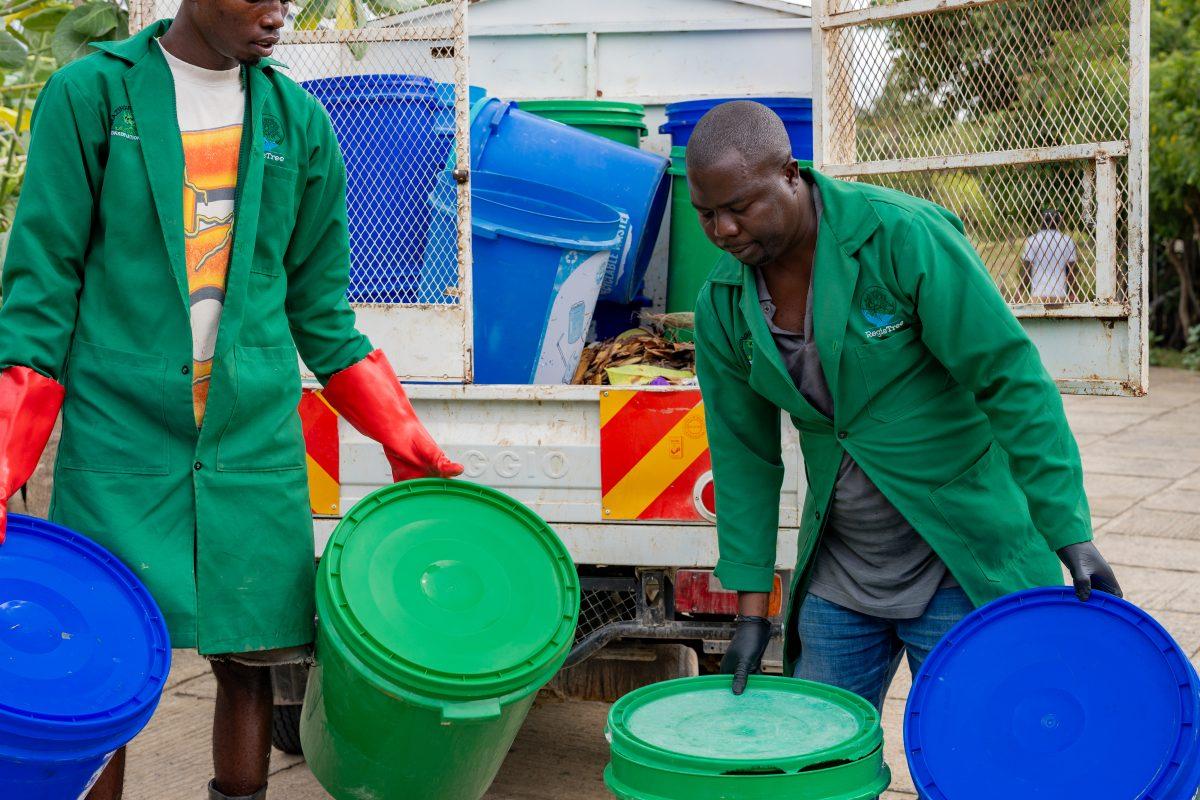
 Sorting collected food waste at the facility
 RegisTree Composting Facility, Kenya
 RegisTree Composting Facility, Kenya
 RegisTree Composting Facility, Kenya
 RegisTree Composting Facility, Kenya
 RegisTree Composting Facility, Kenya
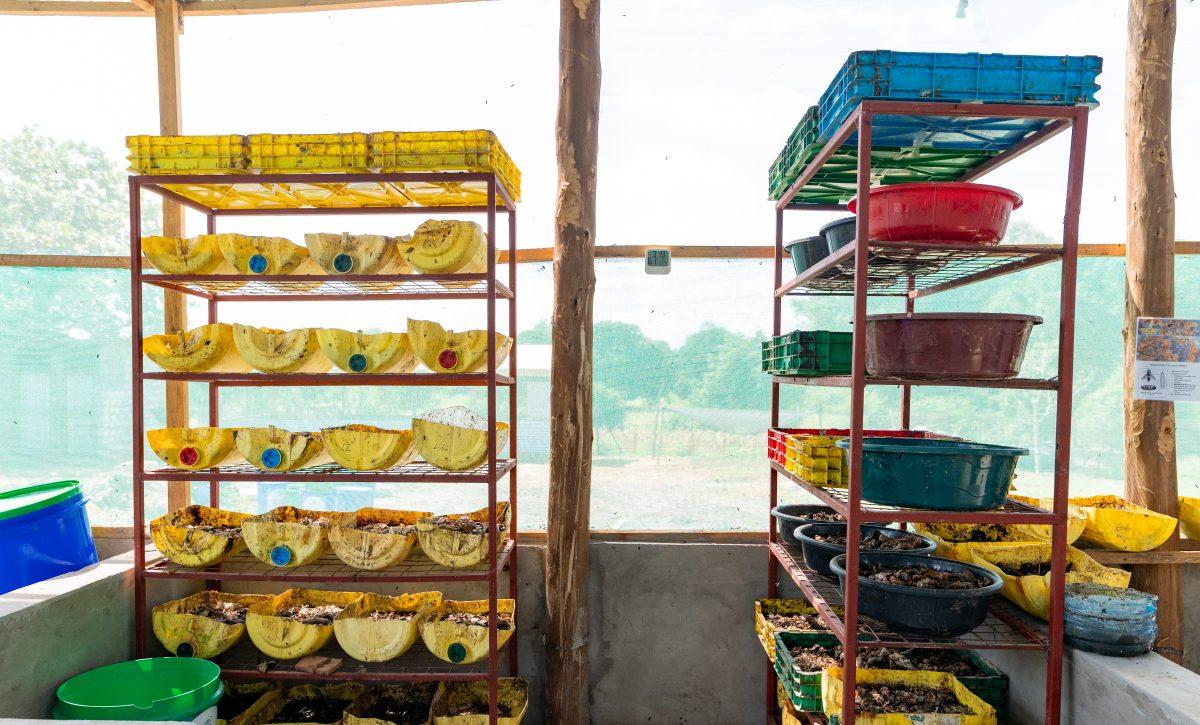
 The composting bays inside the new building
 RegisTree Composting Facility, Kenya
 RegisTree Composting Facility, Kenya
 RegisTree Composting Facility, Kenya
 The composting toilet built alongside the facility
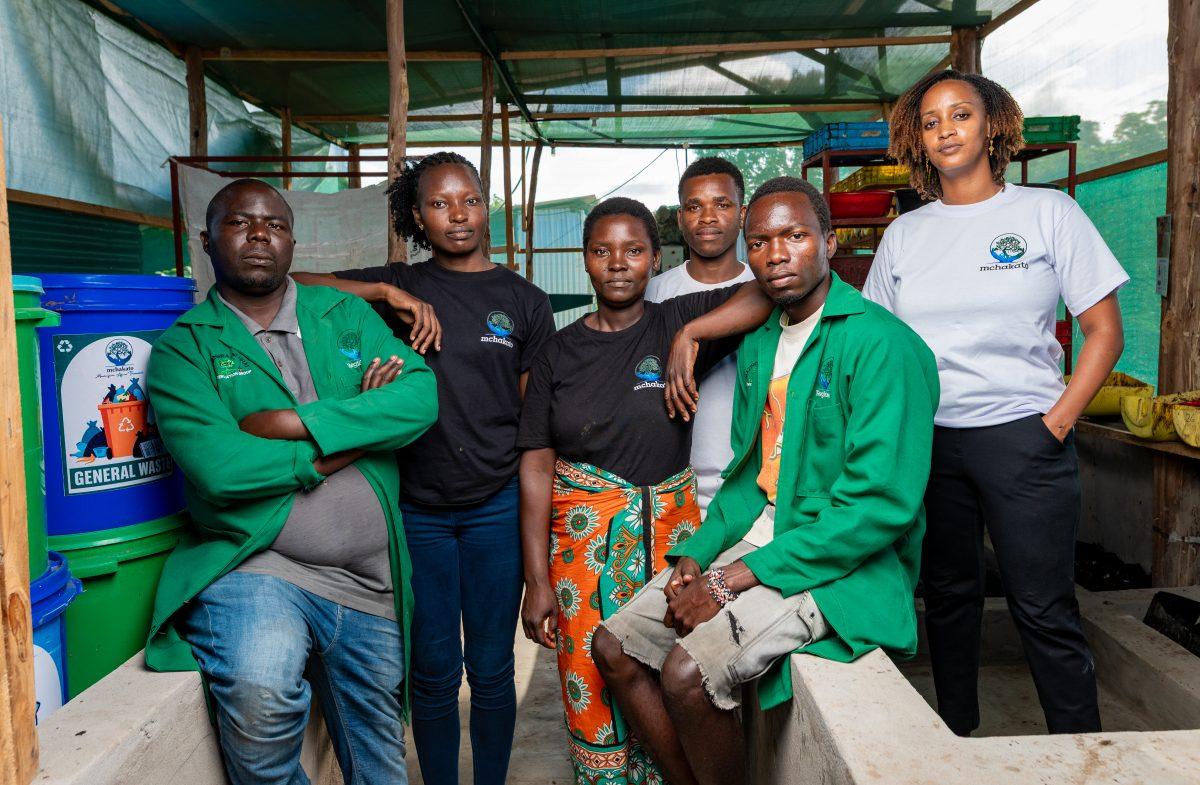 The RegisTree team, Kilifi County, Kenya
 RegisTree Composting Facility, Kenya
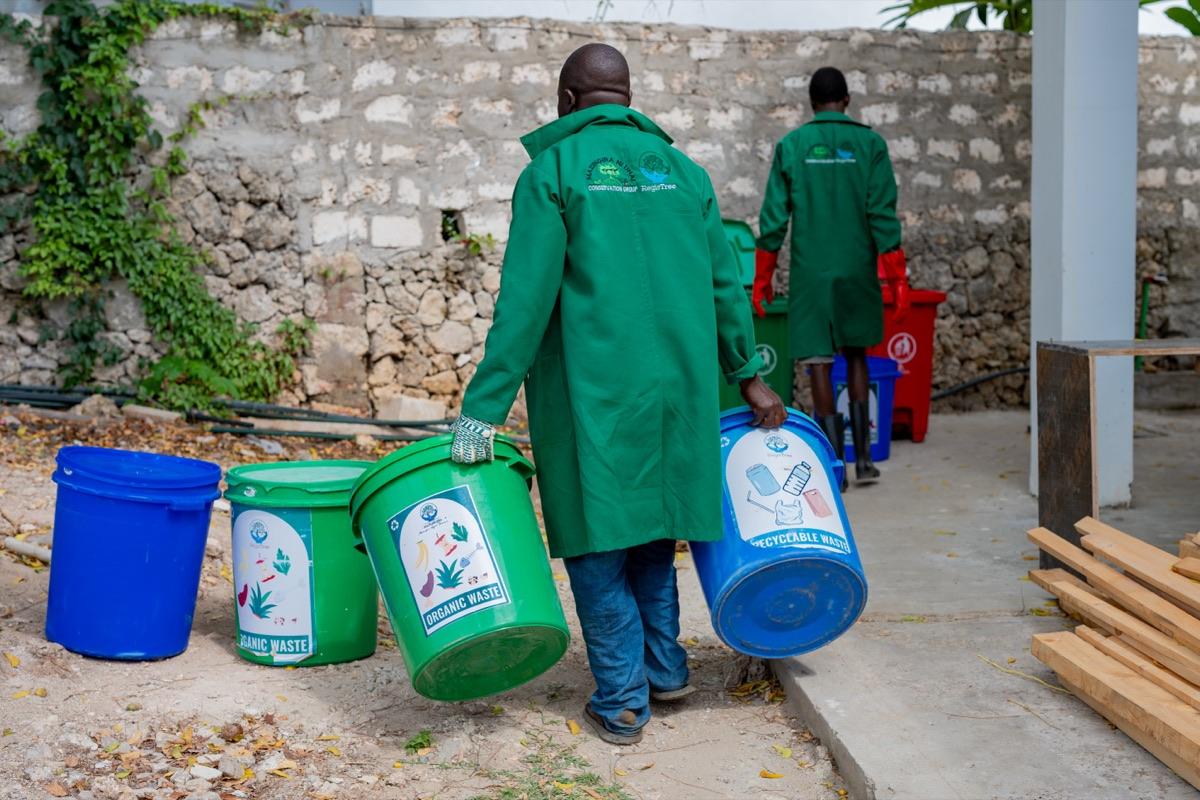 RegisTree Composting Facility, Kenya
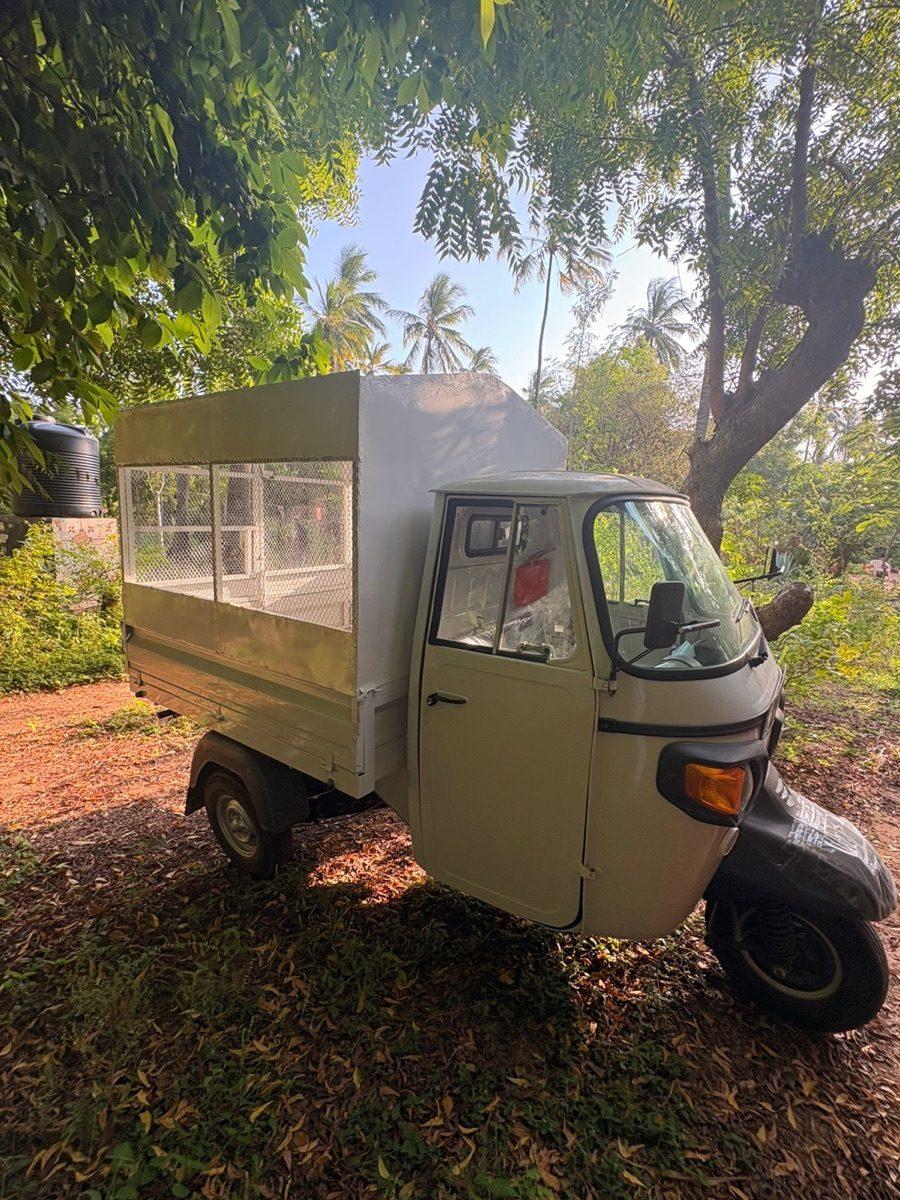
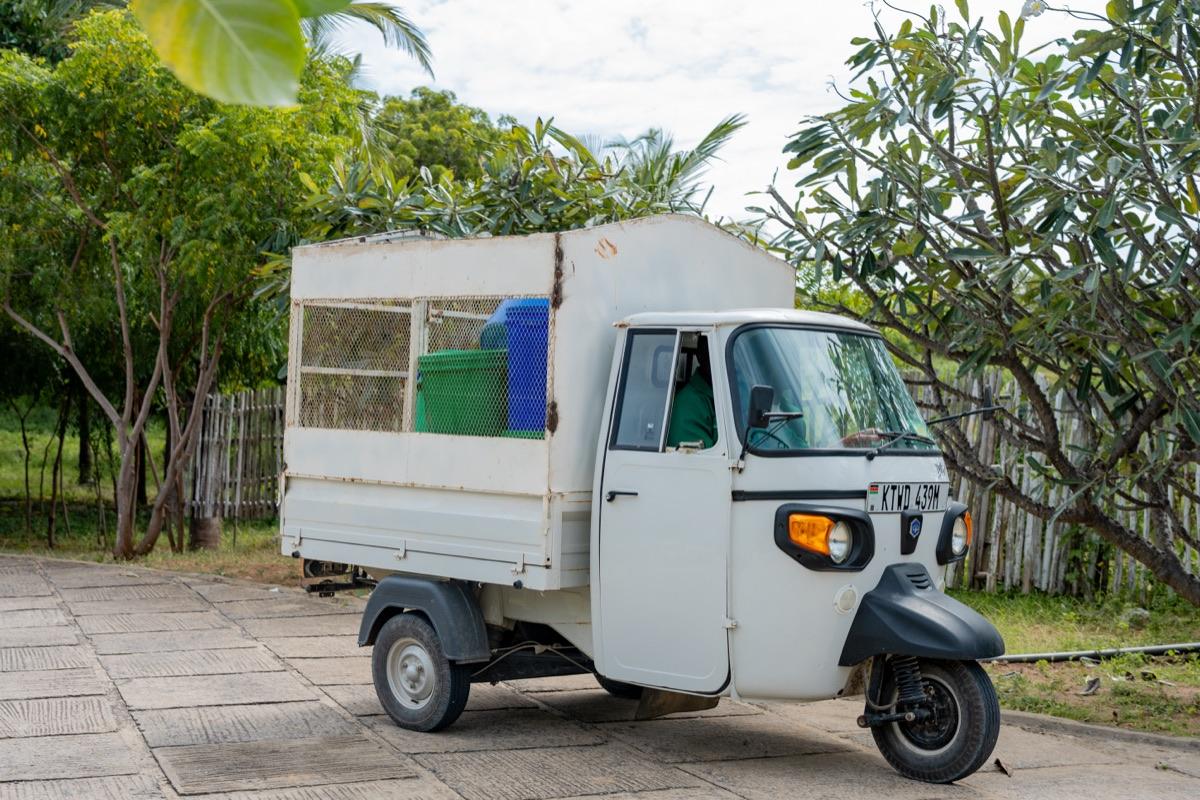 RegisTree's new collection tuk-tuk
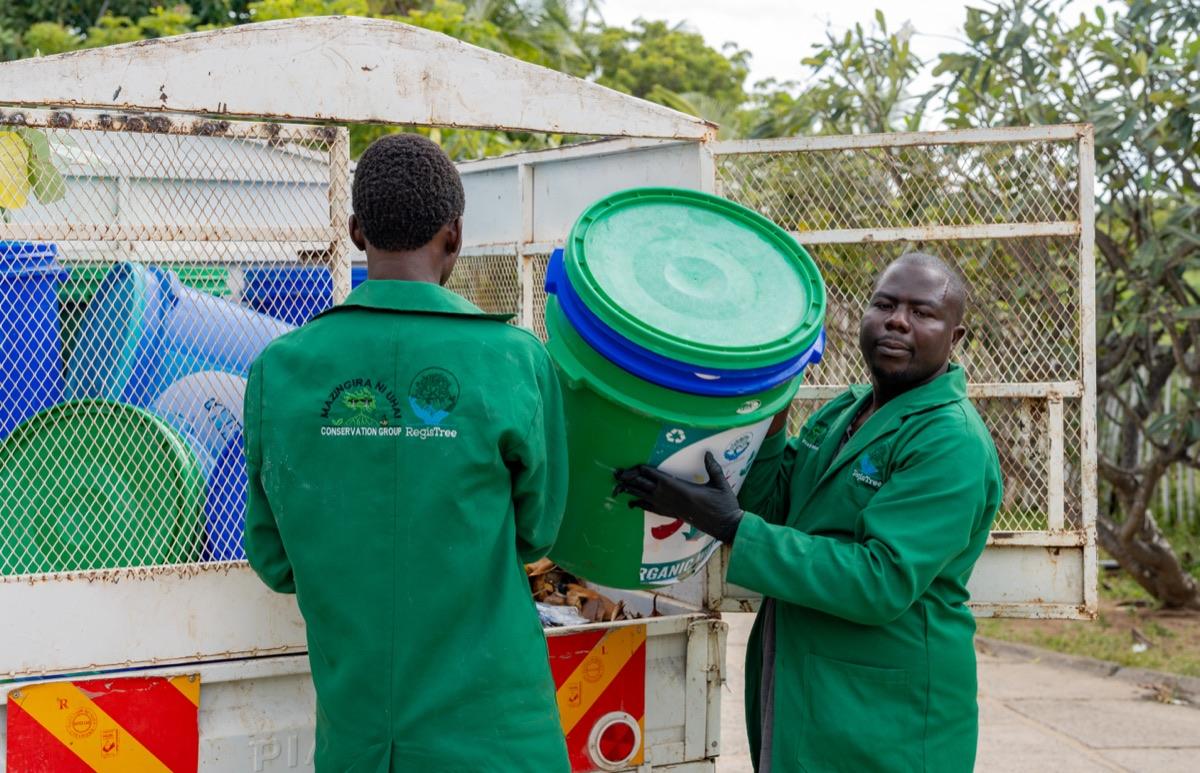 RegisTree Composting Facility, Kenya
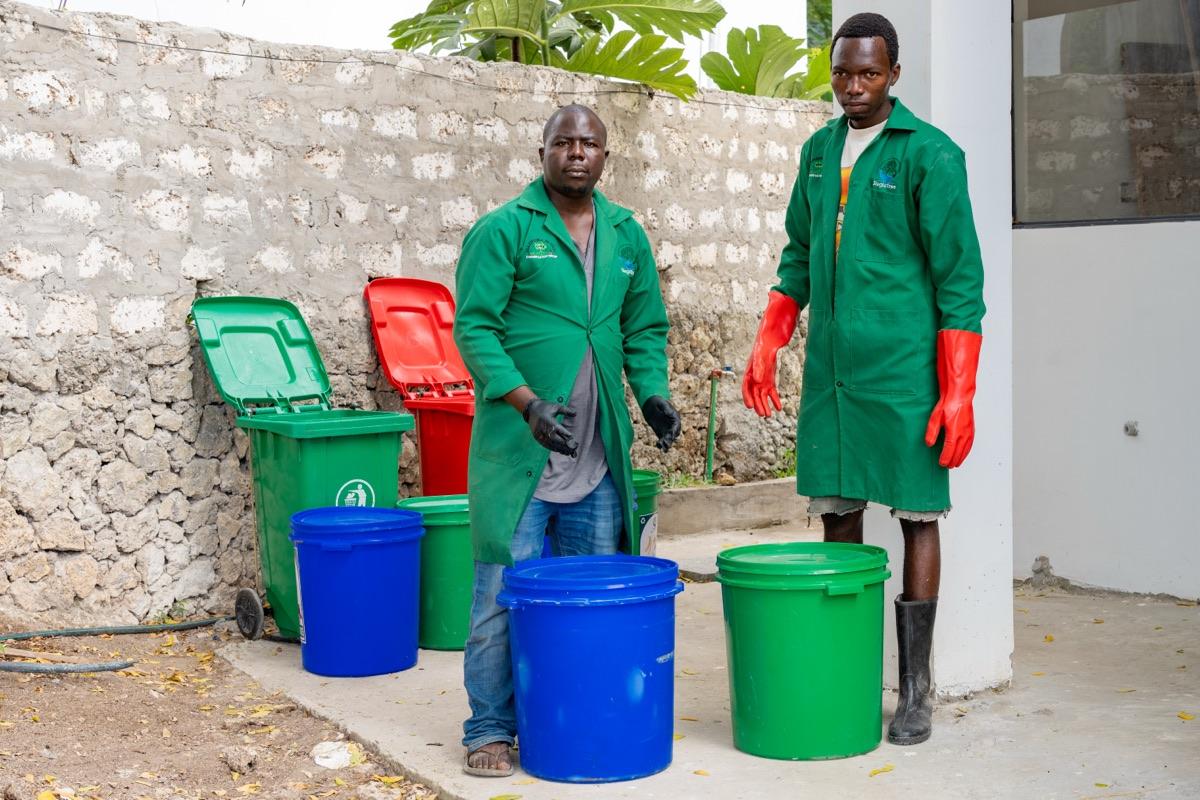 RegisTree Composting Facility, Kenya
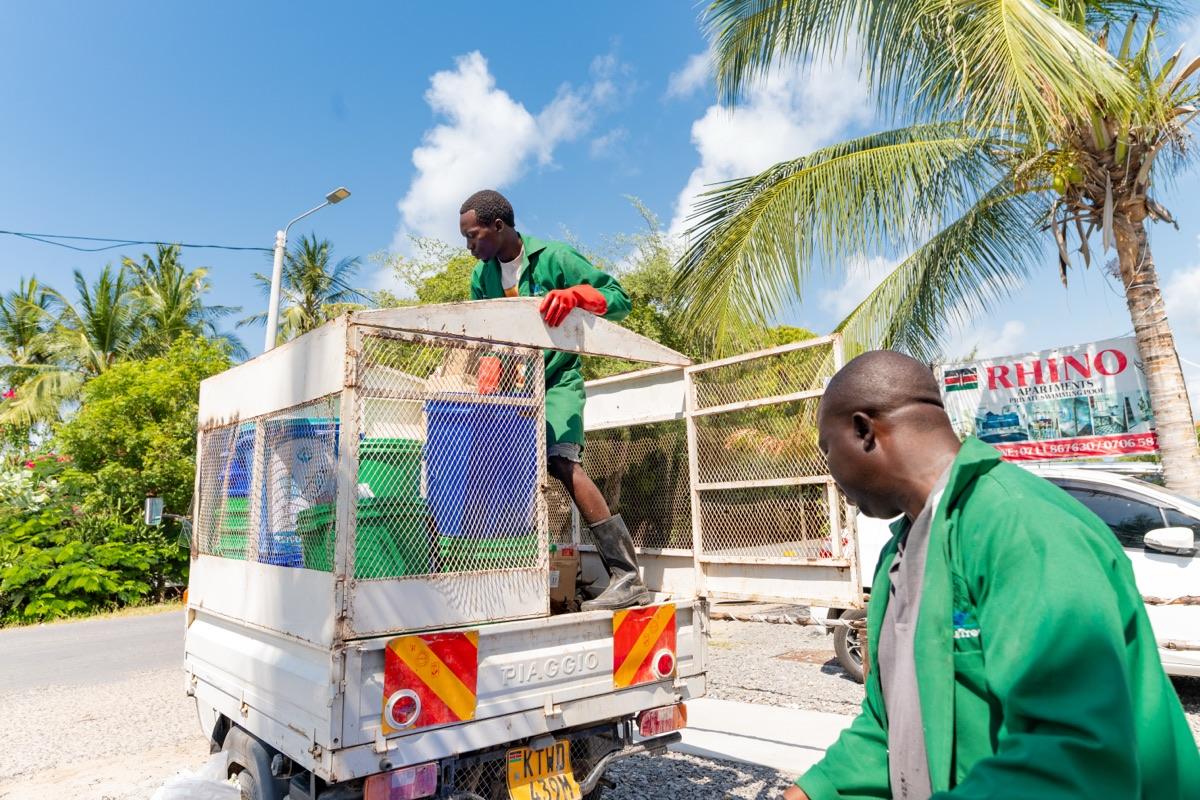 Collection day: RegisTree serves 26 waste-collection clients
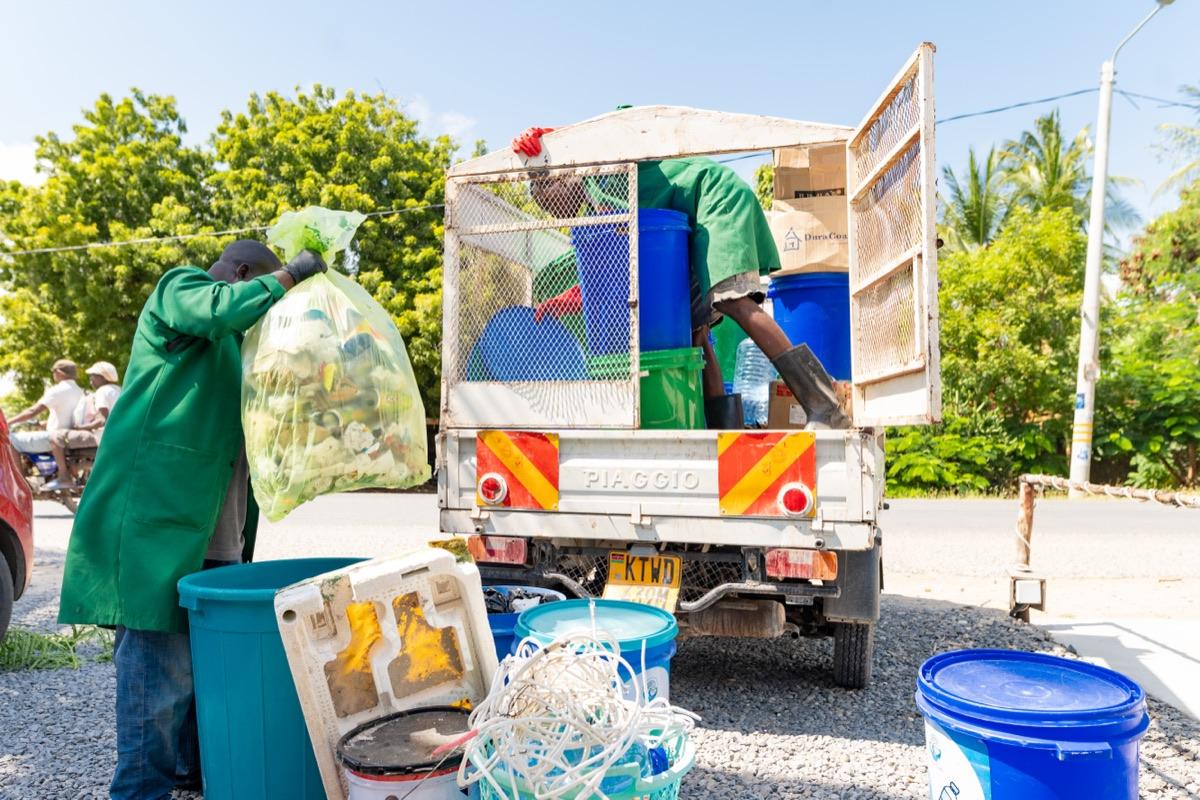 RegisTree Composting Facility, Kenya
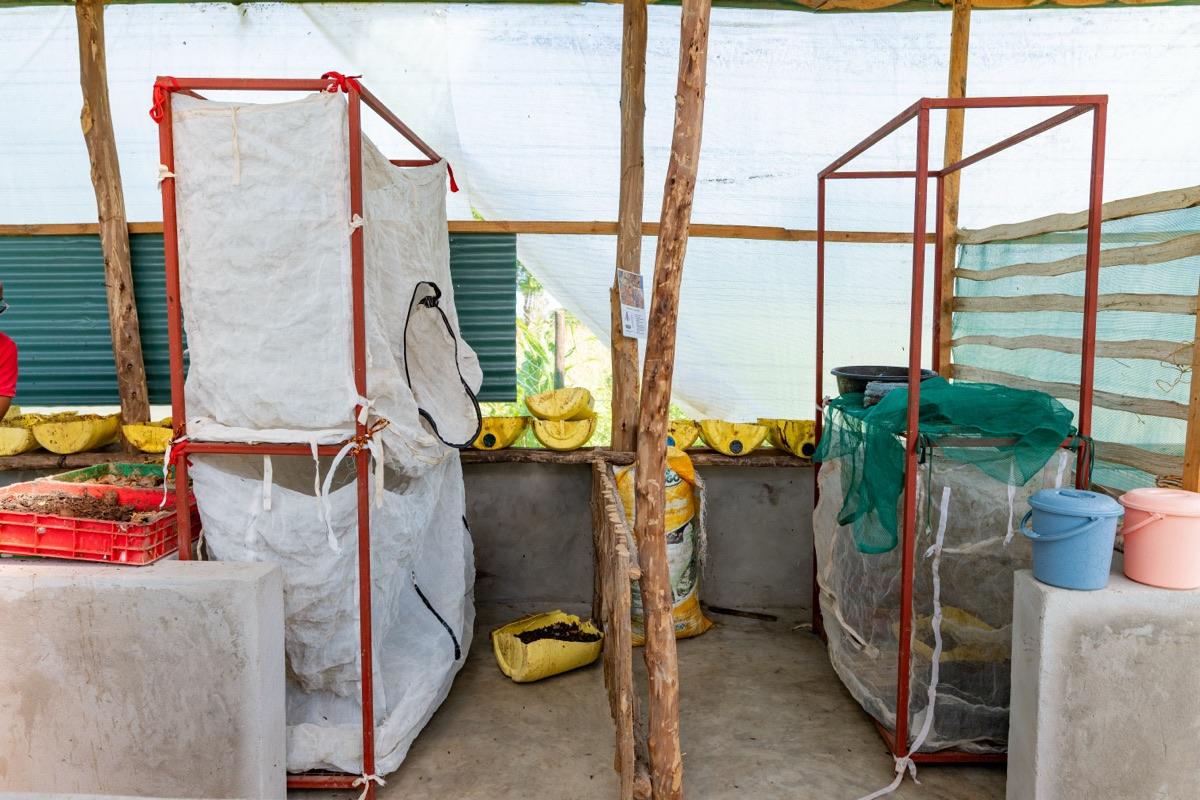 RegisTree Composting Facility, Kenya
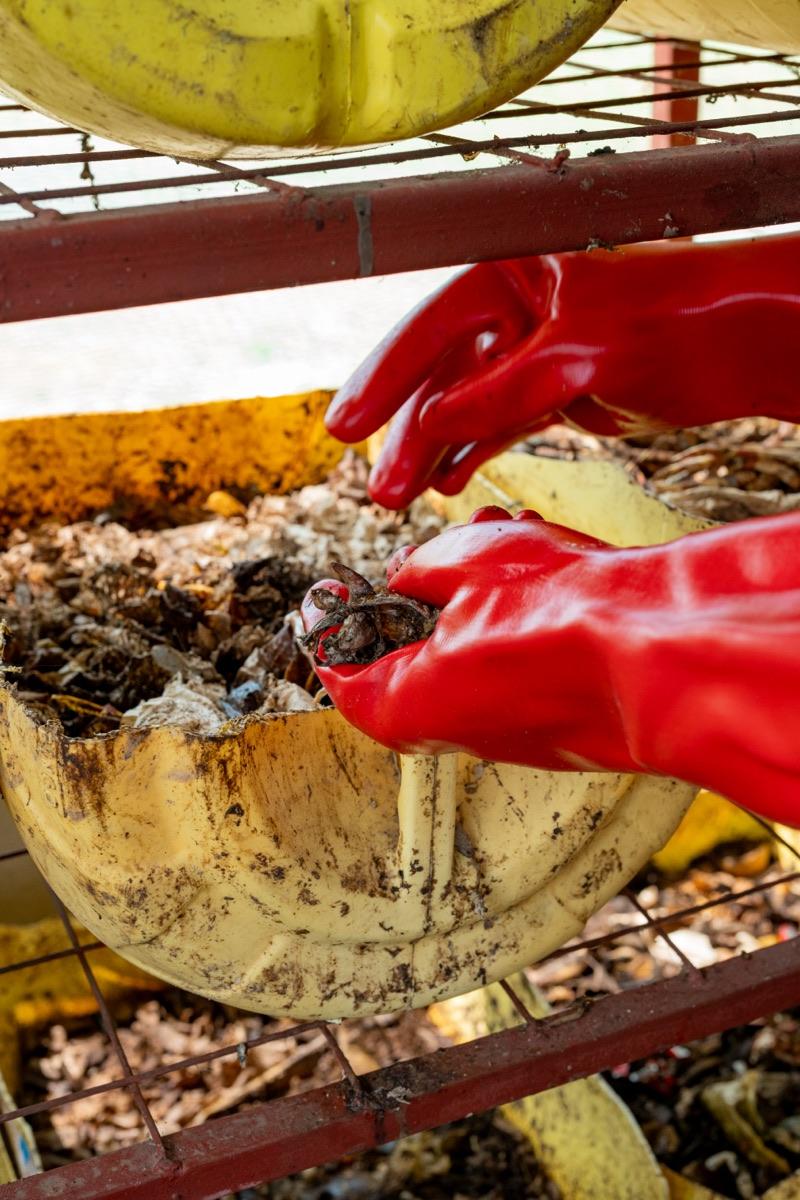 RegisTree Composting Facility, Kenya
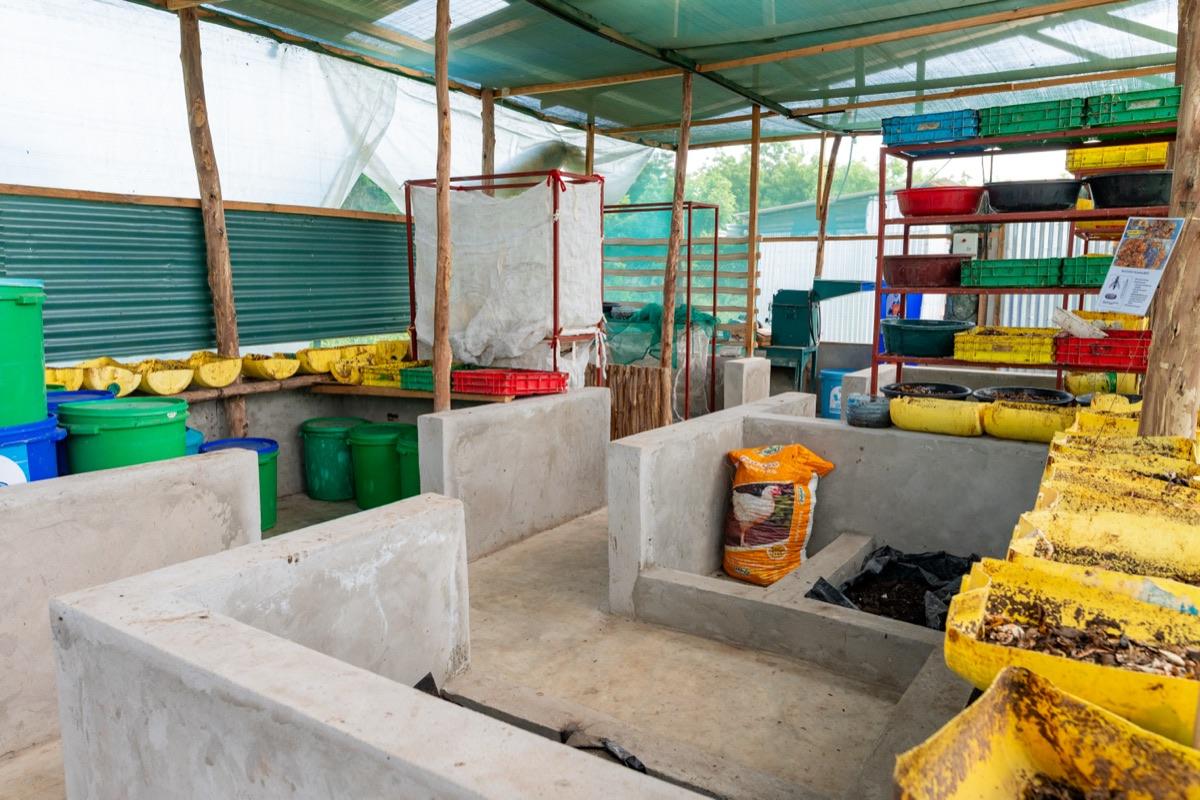 RegisTree Composting Facility, Kenya
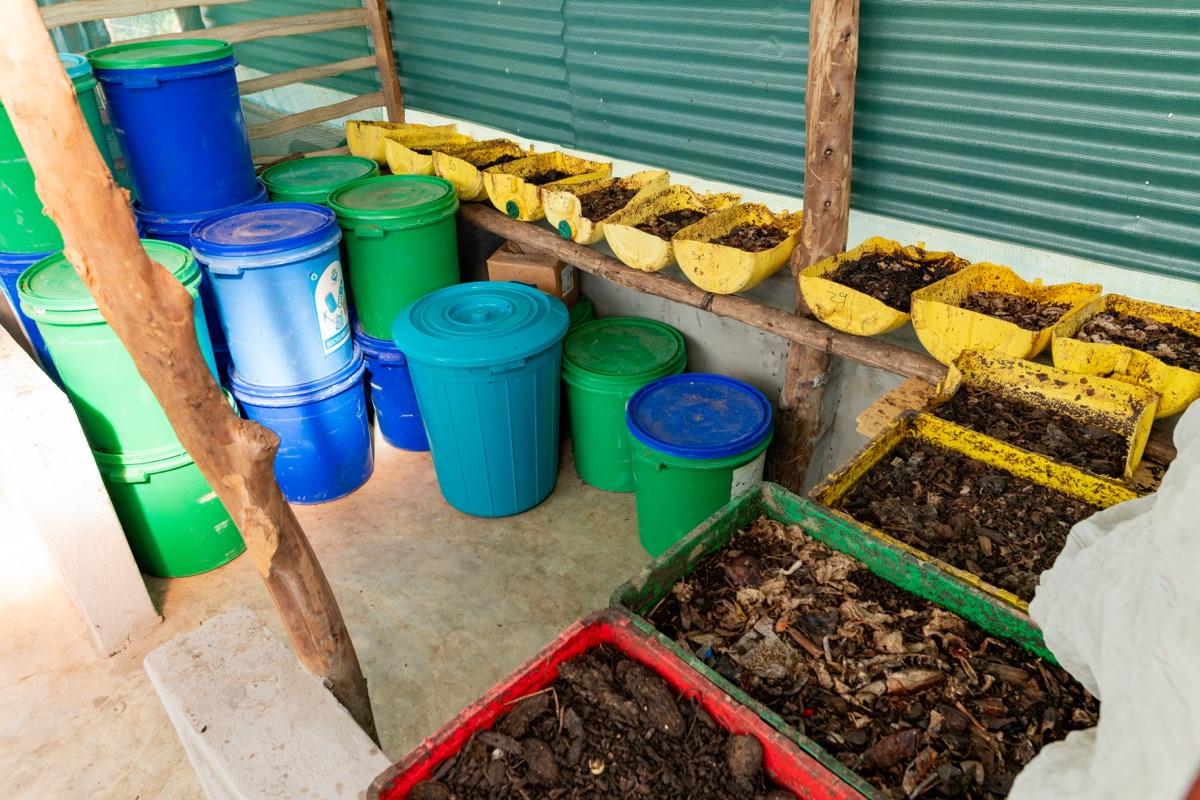 RegisTree Composting Facility, Kenya
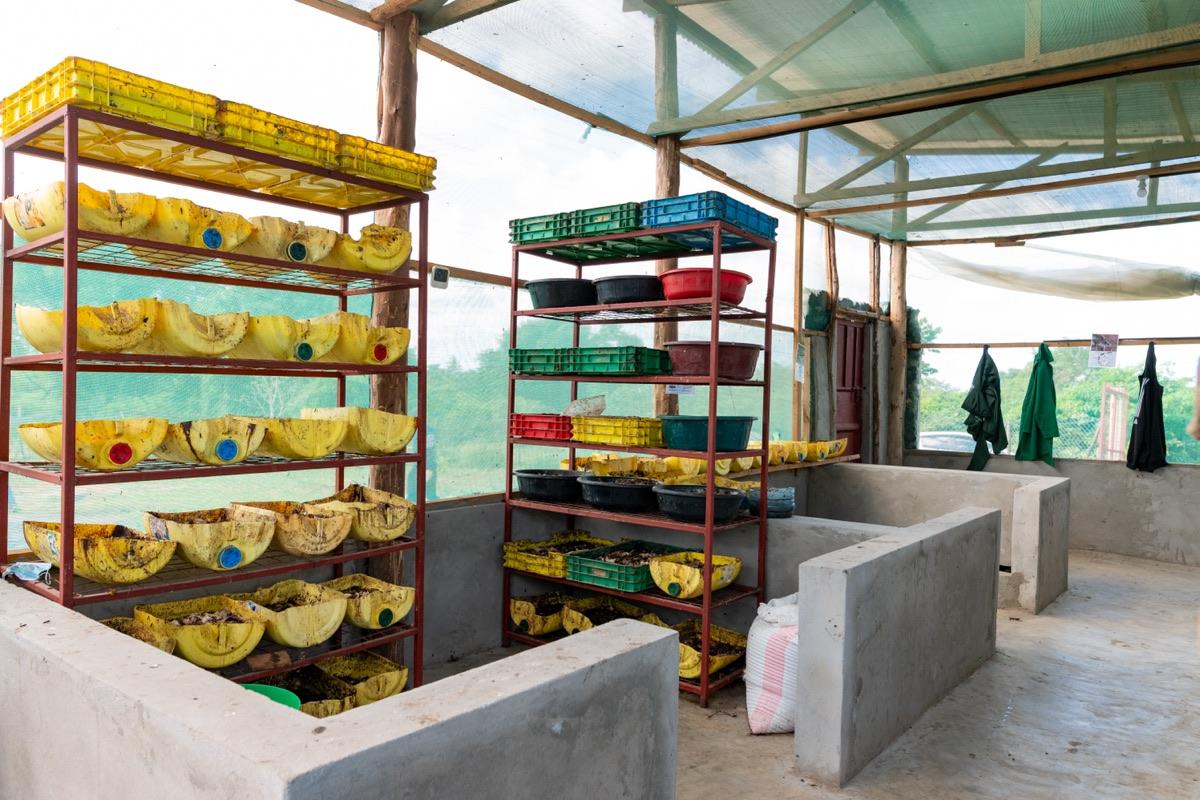 RegisTree Composting Facility, Kenya
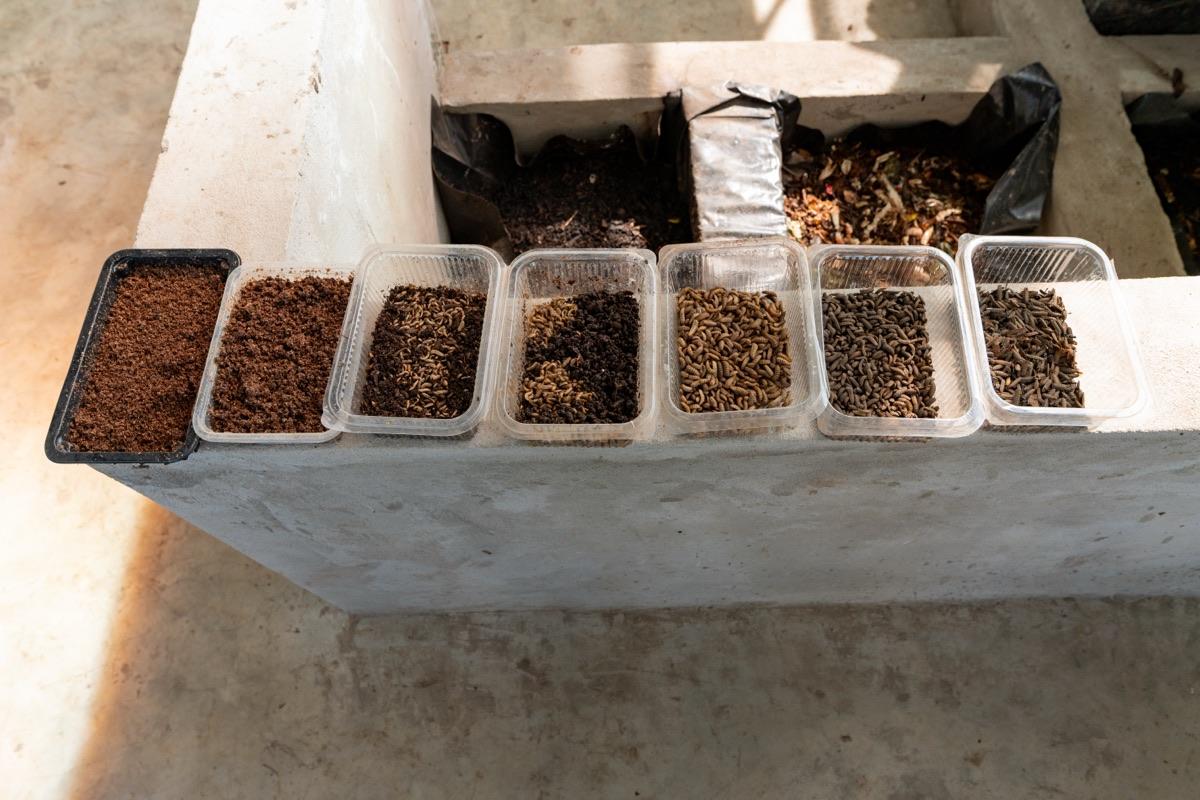 Black soldier fly larvae at each stage of growth
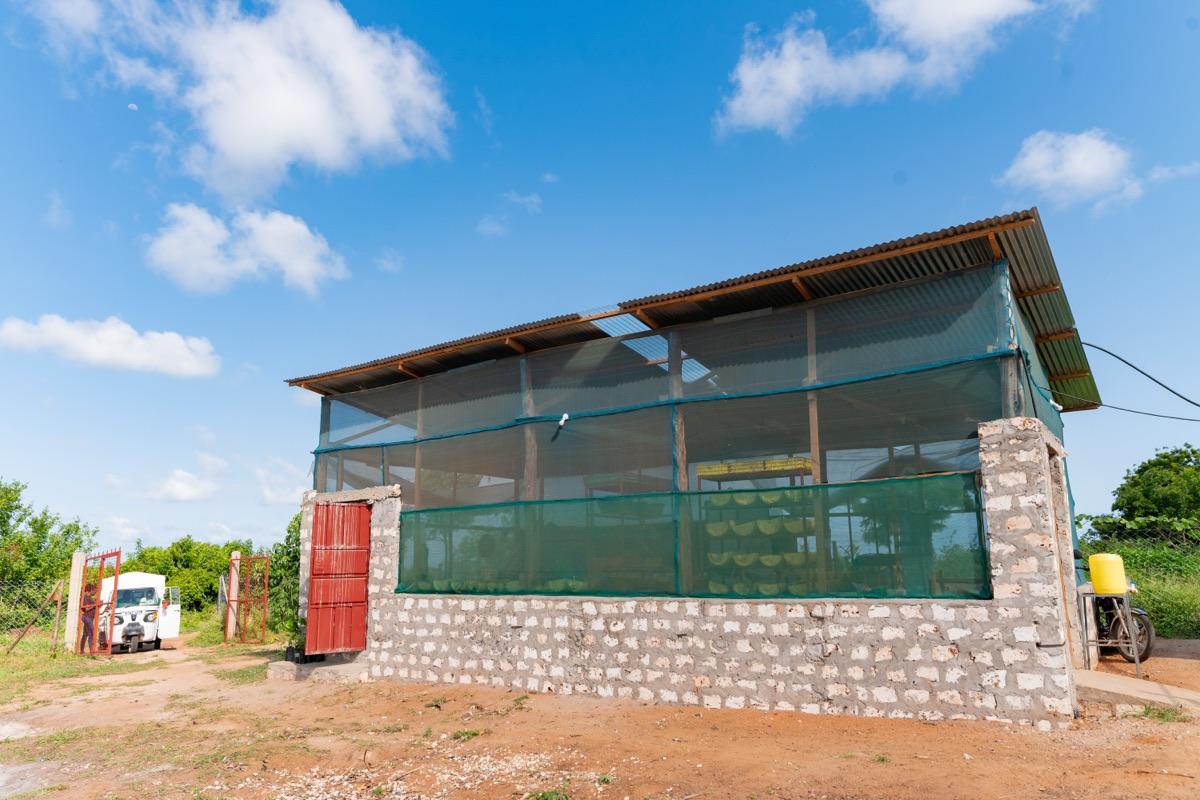 RegisTree Composting Facility, Kenya
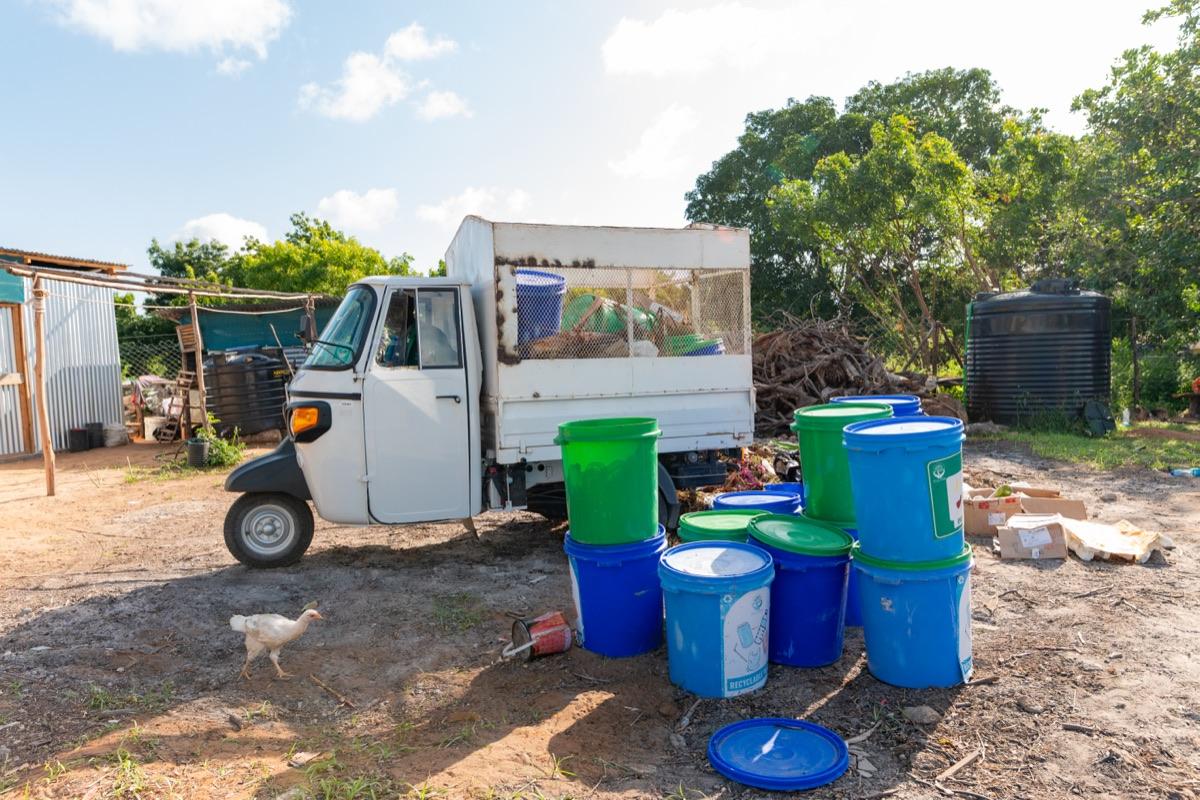 RegisTree Composting Facility, Kenya
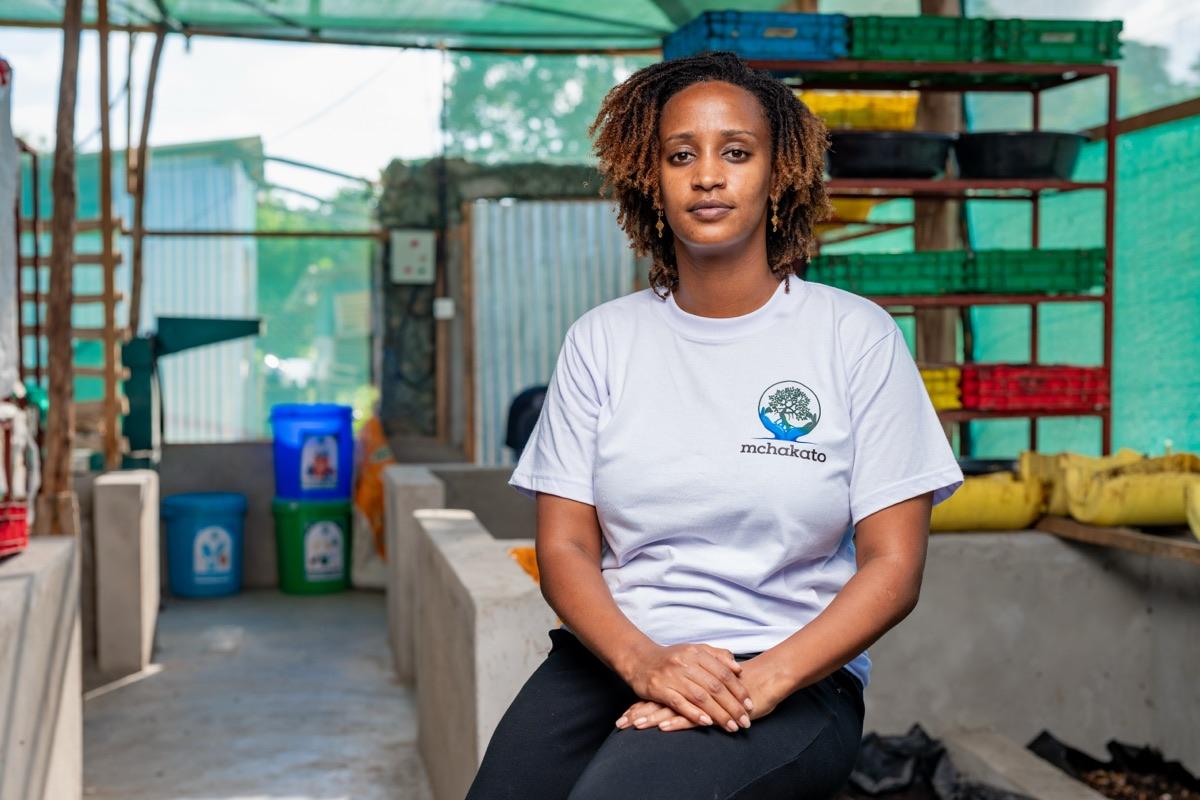 Fardosa Mustafa, CEO of RegisTree
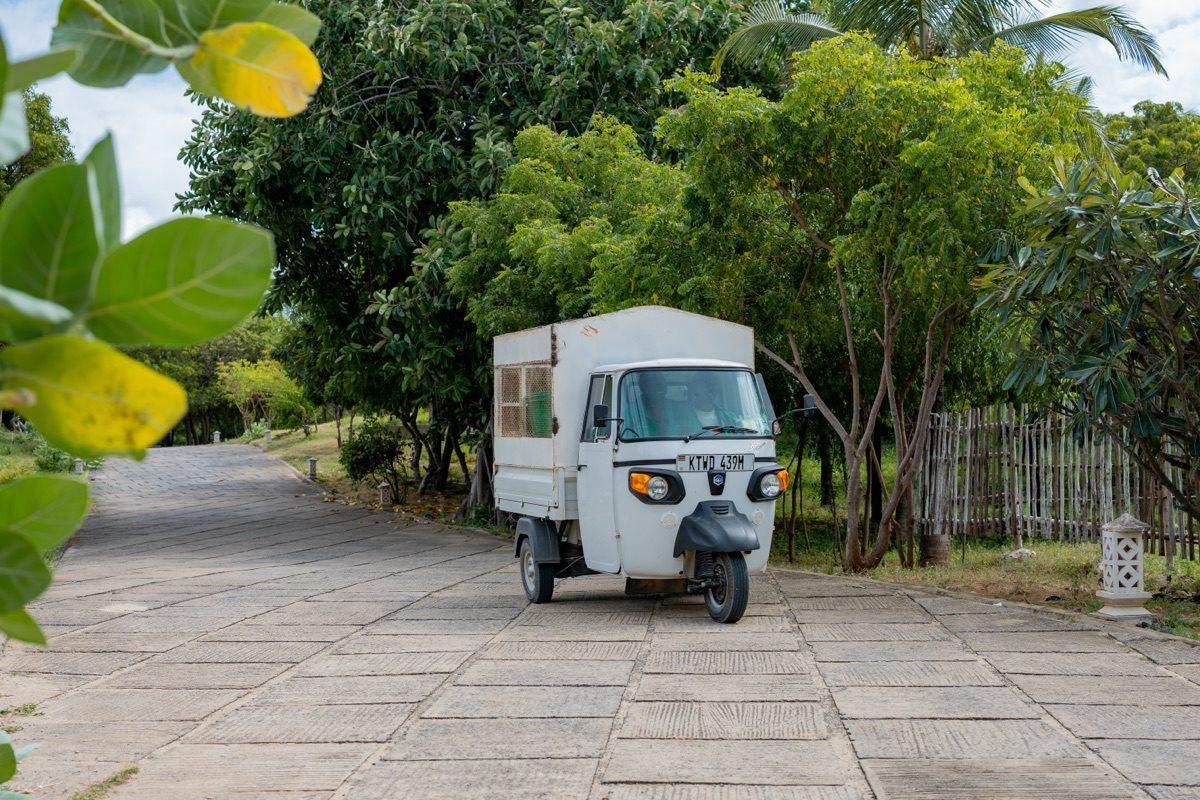 RegisTree Composting Facility, Kenya
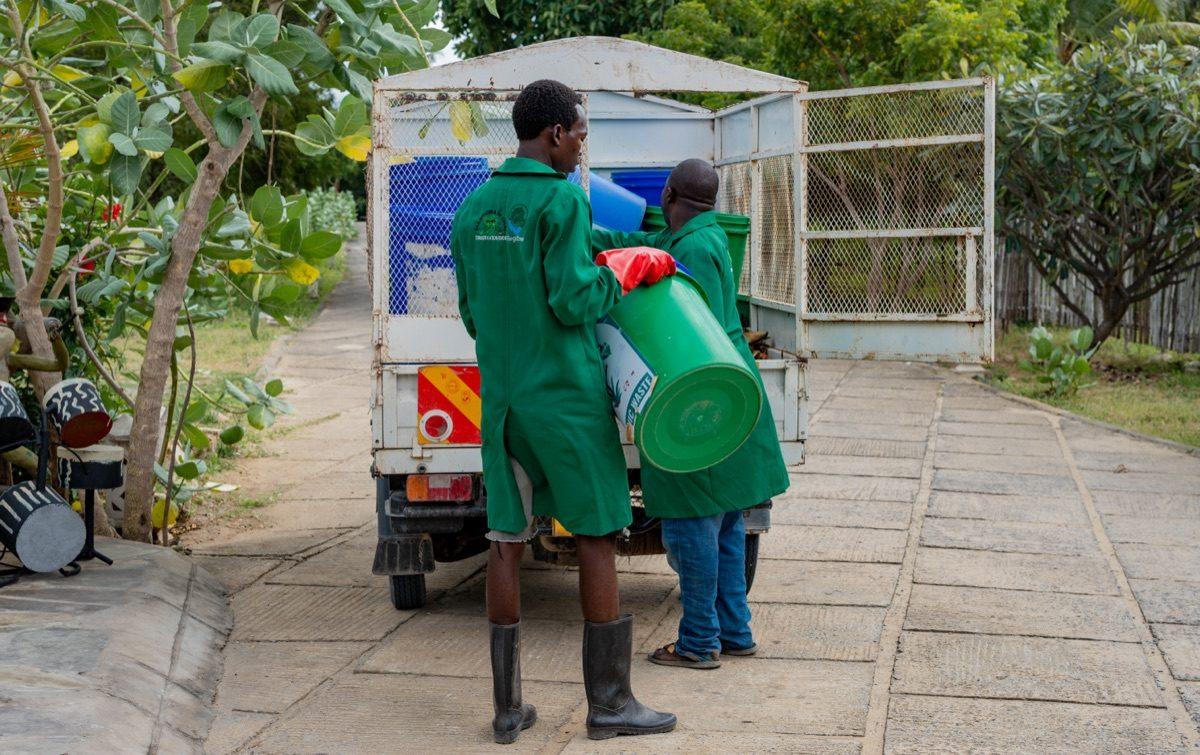 RegisTree Composting Facility, Kenya
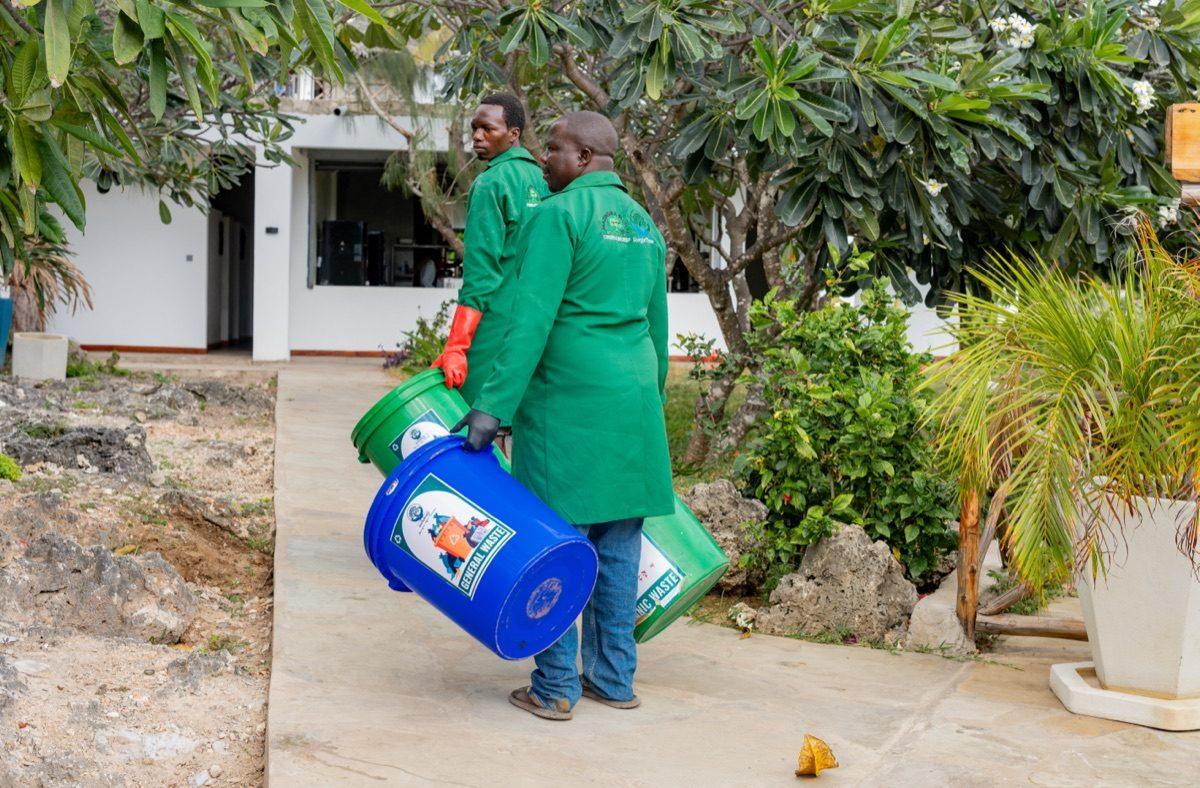 RegisTree Composting Facility, Kenya
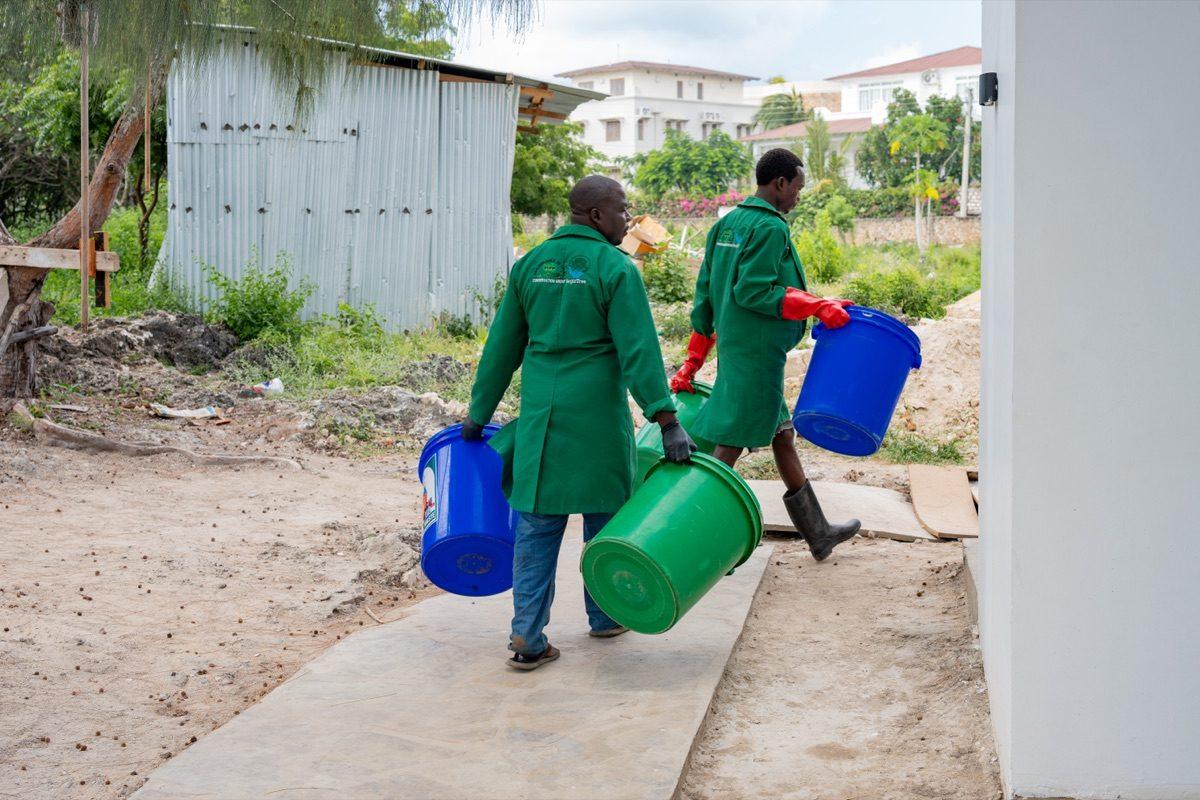 RegisTree Composting Facility, Kenya
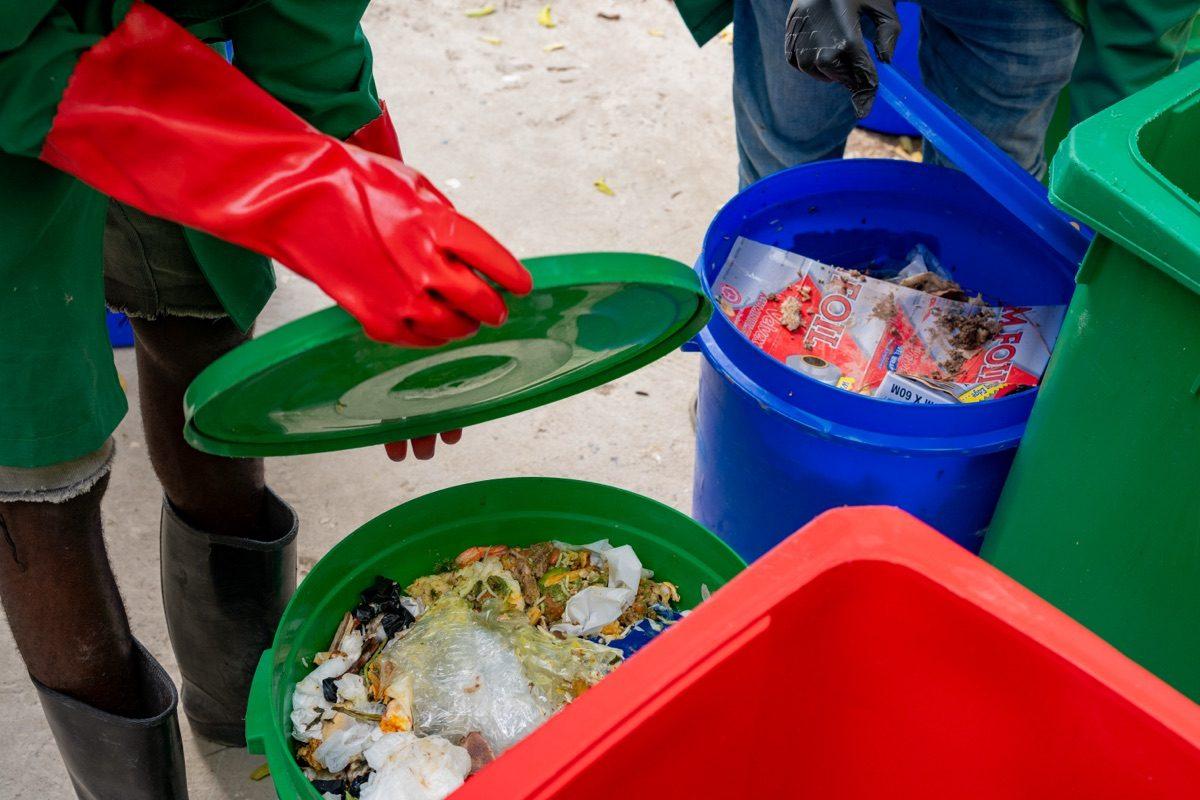 RegisTree Composting Facility, Kenya
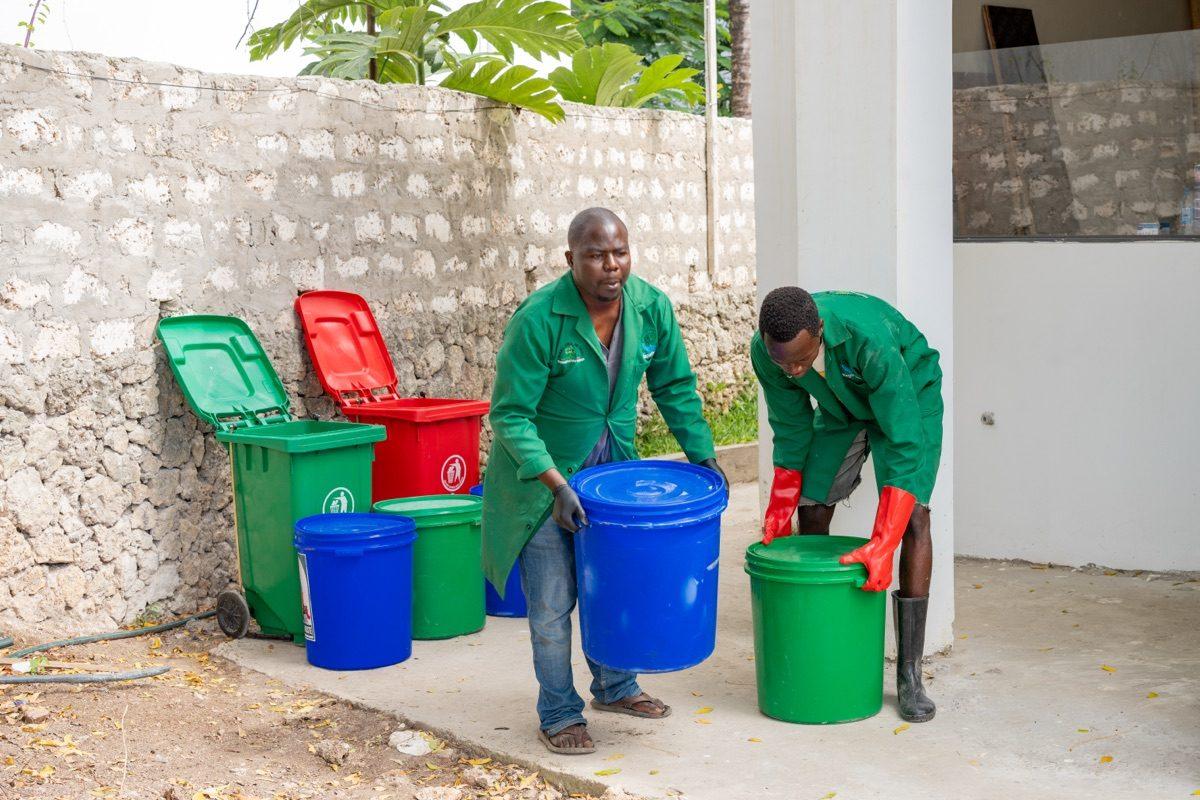 RegisTree Composting Facility, Kenya
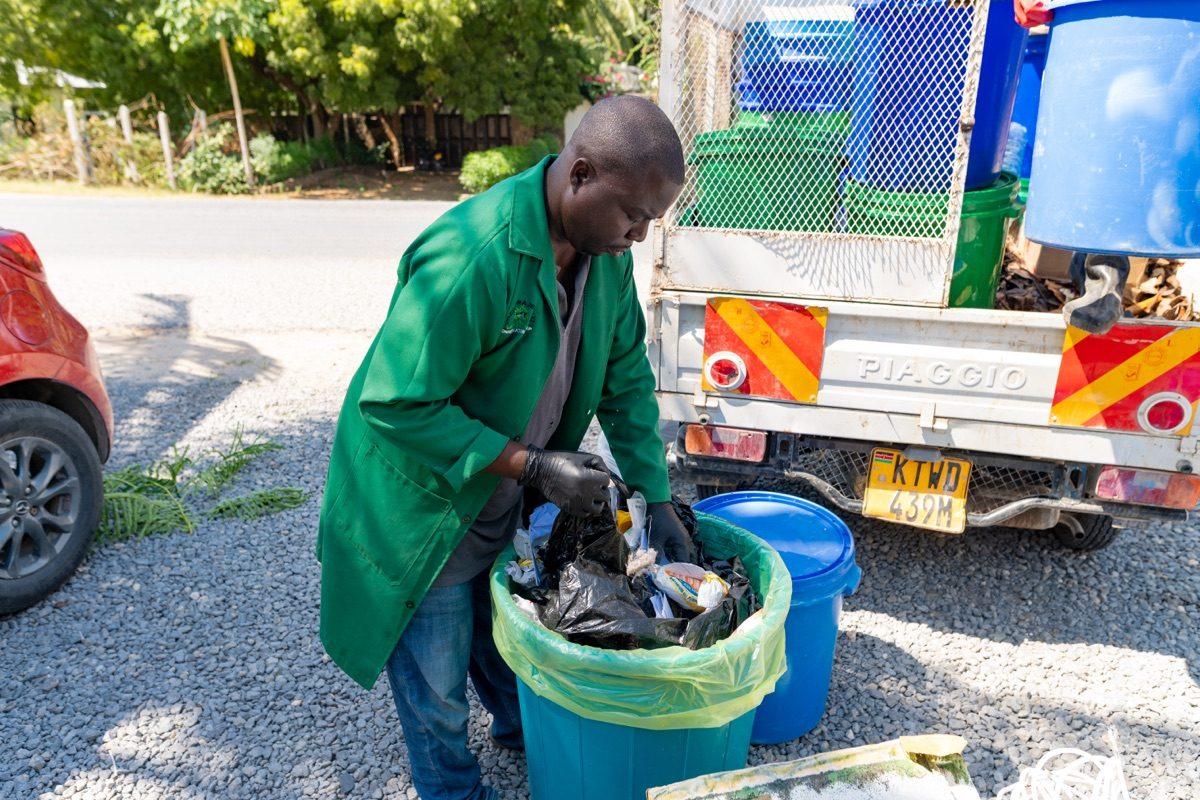 RegisTree Composting Facility, Kenya
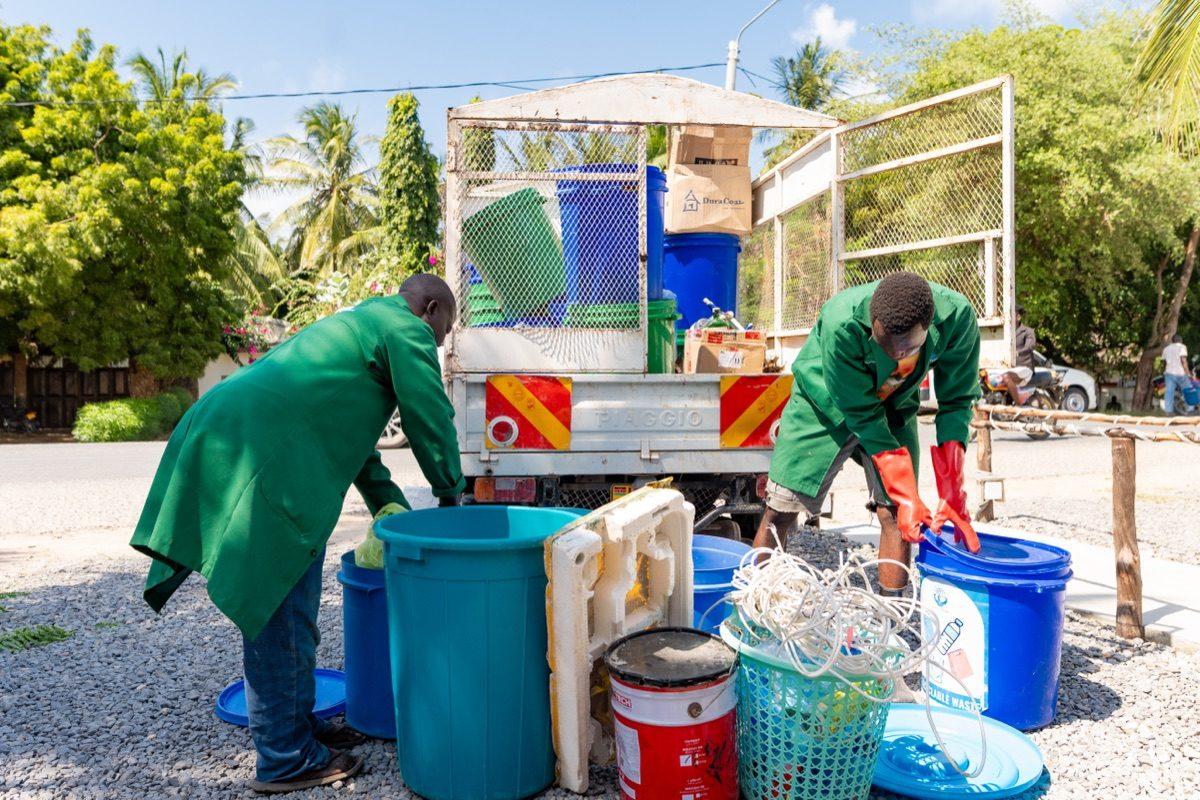 RegisTree Composting Facility, Kenya
 RegisTree Composting Facility, Kenya
 RegisTree Composting Facility, Kenya
 RegisTree Composting Facility, Kenya
 RegisTree Composting Facility, Kenya
 RegisTree Composting Facility, Kenya
 RegisTree Composting Facility, Kenya
 RegisTree Composting Facility, Kenya
 RegisTree Composting Facility, Kenya
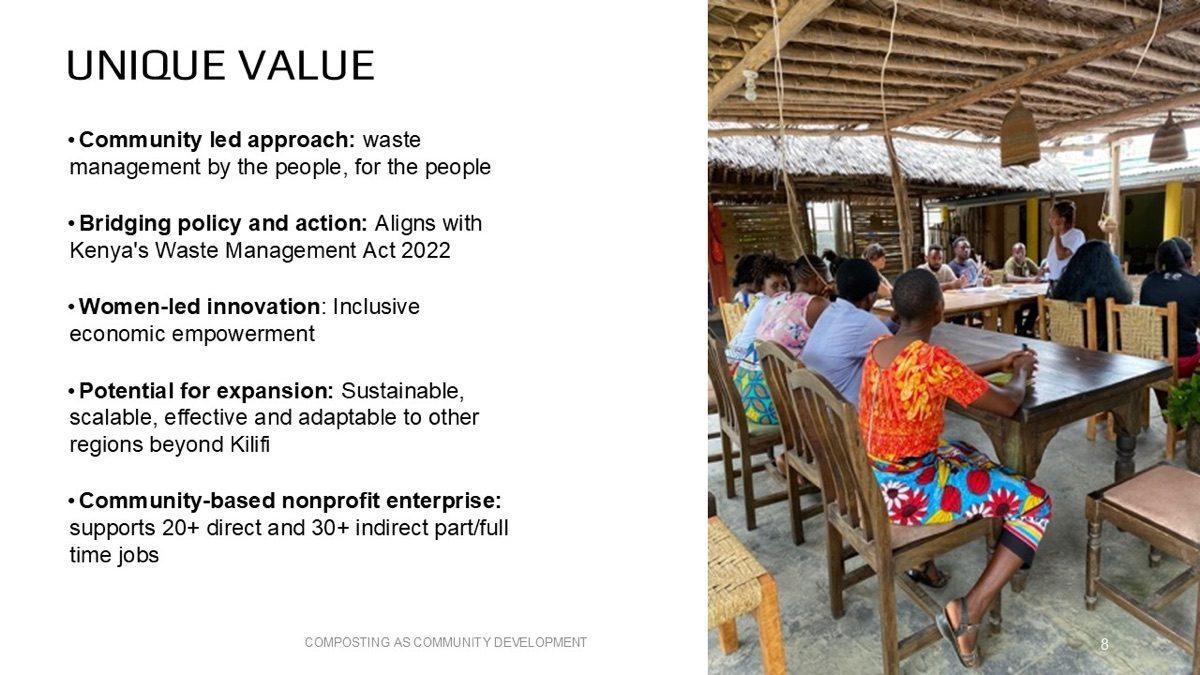 RegisTree Composting Facility, Kenya
No photographs for that build yet.
Showing 0 of 0
What's next
Kenya is complete, but the need continues. Every project begins with a request from a community or local partner, and there are more communities waiting for the opportunity to bring their ideas to life.