Kenya 2026 In progress
A research and development partnership designing flat-pack school desks and chairs from plastic recovered along Lamu's coast, to be produced by local youth groups.
Communities Lead. We Partner. Together we build.
Research and development of a flat-pack desk and chair system in recycled plastic, with The Flipflopi.
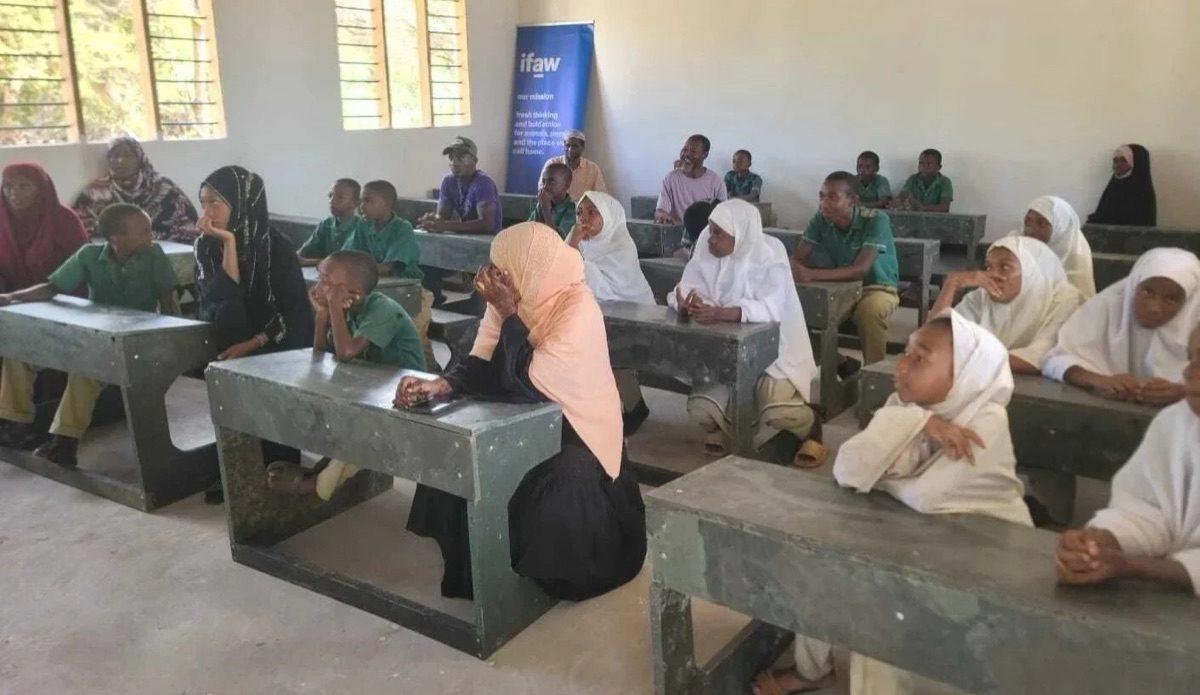
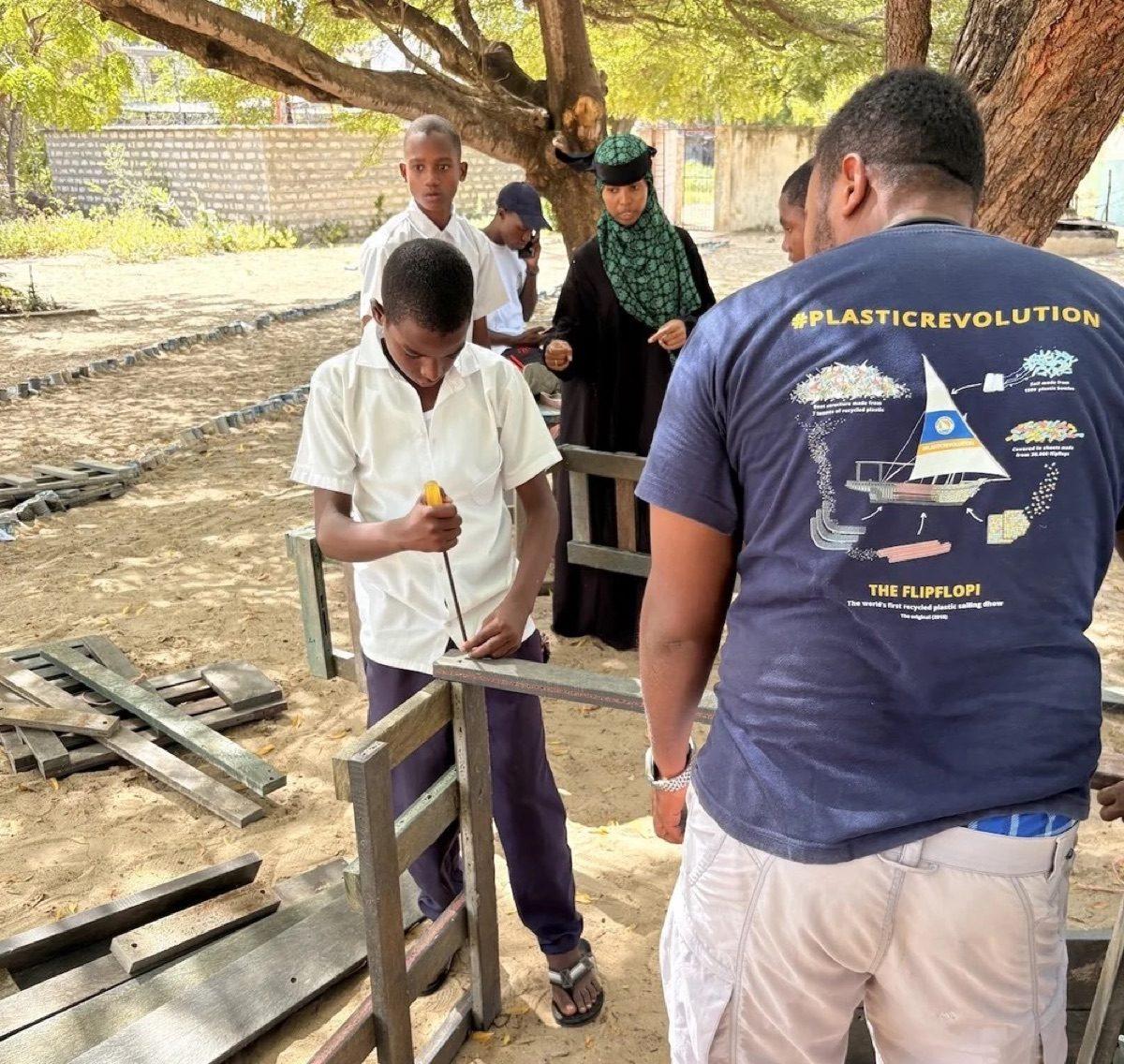
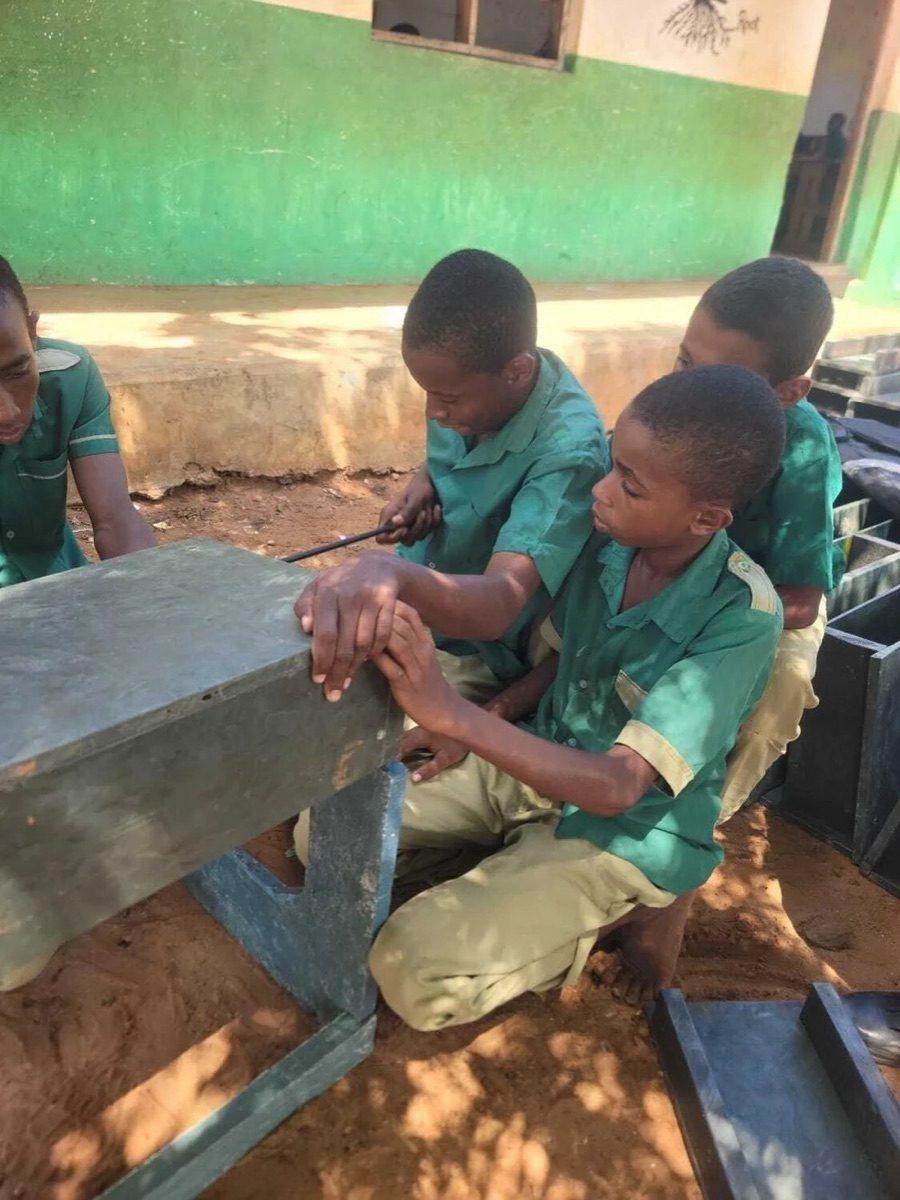
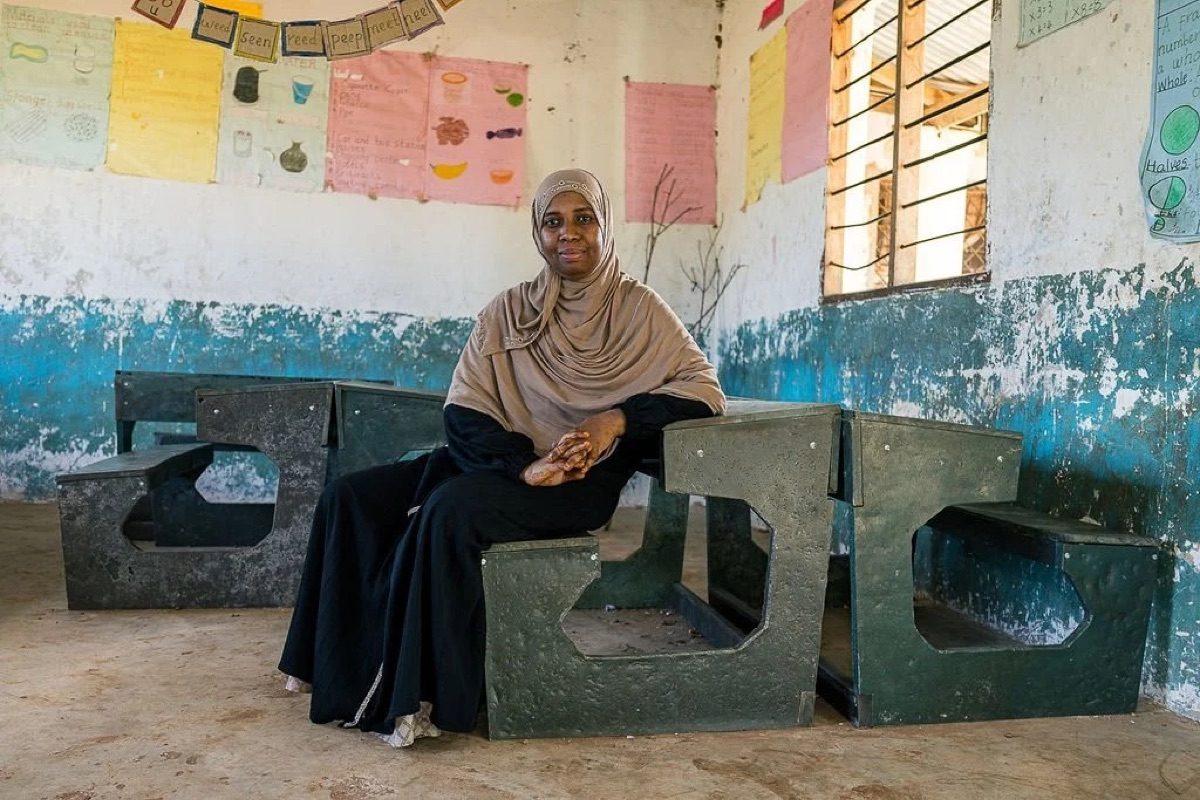
The Flipflopi partners with coastal communities around Lamu to recover plastic waste and transform it into valuable, locally made products. It aims to address local problems such as plastic waste and a lack of school infrastructure with a circular, community-based model transforming locally recovered plastic into durable school furniture, while creating pathways for Lamu's youth to earn a livelihood through its production. The Flipflopi has already demonstrated the potential of recycled plastic school furniture. The next step is to develop a flat-pack system of desks and chairs that can be efficiently manufactured, transported, assembled, repaired, and ultimately produced by youth groups across Lamu County.
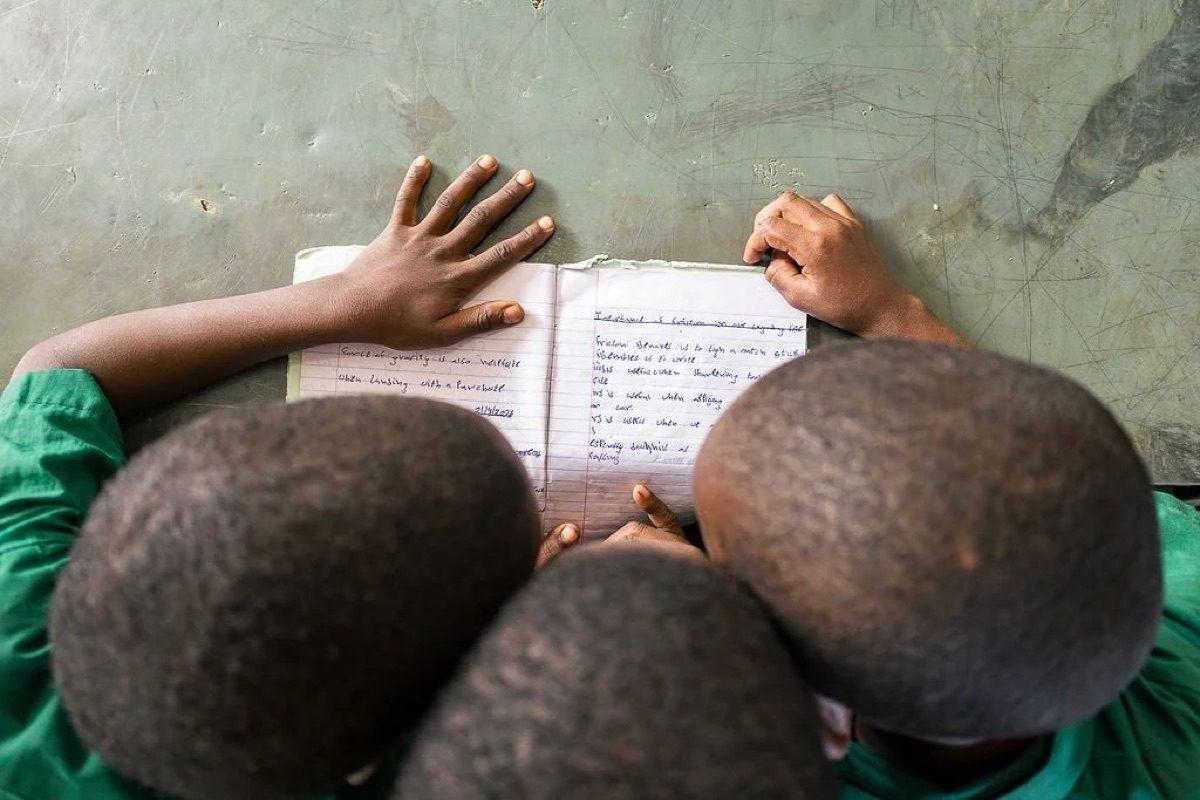
Across Lamu County, Kenya, educational and economic opportunities remain uneven. In 2022, 35.6% of Lamu's population lived below the poverty line, including 32.6% of children, while poverty among young people aged 15–24 reached 41.3%. These challenges are compounded by inadequate classroom infrastructure, with some students sharing desks designed for two between three or four children while others sit on classroom floors. At the same time, plastic waste continues to accumulate along Lamu's coastline, mangrove forests, and ocean.
Building Humanity is seeking professors and/or student teams in industrial design, engineering, architecture, materials science, manufacturing, or sustainable design to help develop the next generation of The Flipflopi's school furniture.
Students would work with The Flipflopi to design and test flat-pack desks and chairs that are:
This is a genuine product-development challenge. The goal is to move from prototype to a tested, replicable furniture system designed specifically for the local context. Students have the opportunity to see their work move from studios to classrooms and communities in coastal Kenya.
The long-term vision extends beyond supplying desks and chairs to schools. The Flipflopi and Building Humanity aim to develop a model in which local youth groups can become producers and entrepreneurs.
The model would work through a simple circular supply chain:
Plastic collected and processed locally → recycled plastic components purchased by youth groups → youth groups manufacture flat-pack furniture → furniture sold to schools and other customers → income remains within the community.
We are looking for a team to make this model viable by developing furniture that is technically sound, affordable to produce, efficient to manufacture, and accessible to workers with appropriate training.
Youth groups would receive training from The Flipflopi in design, fabrication, assembly, quality control, entrepreneurship, and business development, allowing them to build a livelihood around manufacturing rather than simply participating in a one-time project.
A hands-on international R&D project involving real materials, users, manufacturing constraints, and an existing Kenyan organization. Students can produce prototypes, testing data, design documentation, and portfolio-ready work while addressing a real environmental and social challenge.
Access to university expertise that can help improve product design, manufacturing efficiency, durability, and scalability.
More comfortable, durable, and accessible classroom furniture, beginning with schools around Lamu and ultimately expanding to surrounding coastal communities.
A pathway from training to income-generating production, giving young people the skills and tools to participate in the circular economy as entrepreneurs and manufacturers.
What's next
The work is underway. A gift moves it along, and two weeks on site moves it faster.